

As a supplier of Crown Bottle Tops, I've been getting a lot of questions lately about the environmental impacts of these little guys. So, I thought I'd sit down and write a blog post to address all those concerns.
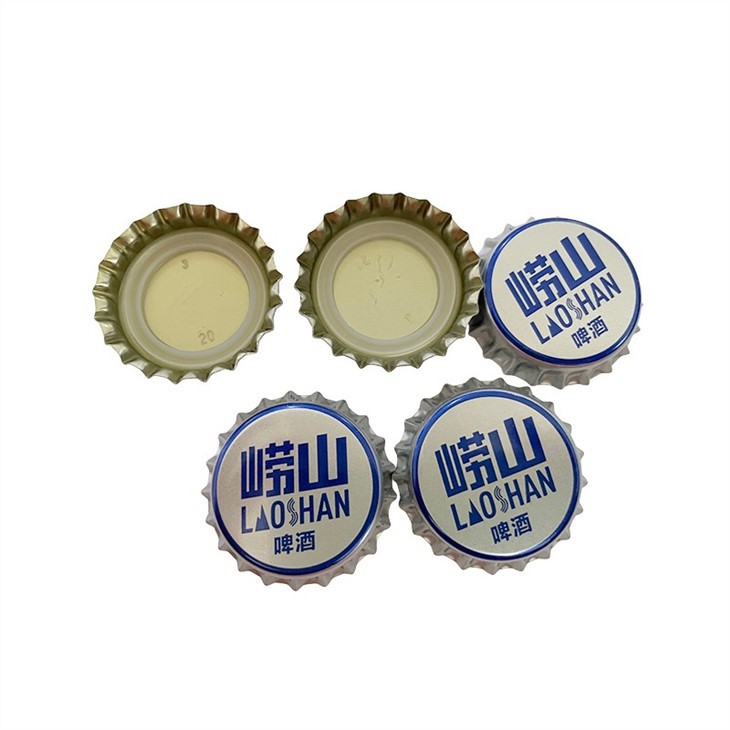

Let's start with the basics. Crown bottle tops, also known as bottle caps, are those circular pieces of metal that seal our favorite beverages in glass bottles. They've been around for ages, and they're a staple in the beverage industry. You can find them on all sorts of drinks, from your morning soda to your evening beer. For instance, if you're a beer lover, you've probably come across the Beer Crown Cap or the Beer Bottle Cap. And then there's the UTC Crown Cap, which is used in a variety of applications.
Production and Its Environmental Footprint
The production of crown bottle tops involves several steps, and each one has its own environmental implications. Most crown bottle tops are made from steel or aluminum. The extraction of these raw materials is a resource - intensive process. Mining for iron ore (used to make steel) and bauxite (used to make aluminum) can cause significant damage to the environment. It can lead to deforestation, soil erosion, and water pollution.
Once the raw materials are extracted, they need to be refined. Refining iron ore into steel and bauxite into aluminum requires a huge amount of energy. A lot of this energy comes from non - renewable sources like coal and natural gas. Burning these fossil fuels releases greenhouse gases into the atmosphere, contributing to climate change.
However, it's not all doom and gloom. The industry has been making efforts to reduce its environmental impact during production. Many manufacturers are now using more energy - efficient technologies. For example, some steel mills have adopted electric arc furnaces, which use less energy compared to traditional blast furnaces. Also, recycling has become a big part of the production process. Recycling steel and aluminum uses far less energy than extracting and refining new materials.
Disposal and Waste Management
One of the biggest environmental concerns with crown bottle tops is their disposal. When these bottle caps end up in landfills, they can take a long time to break down. Steel bottle caps can rust over time, but this process is slow, and the rust can leach into the soil and potentially contaminate groundwater. Aluminum bottle caps are more resistant to corrosion, so they can sit in landfills for decades.
Another issue is litter. Crown bottle tops are small and easy to lose. They often end up on the streets, in parks, and even in water bodies. In the ocean, these bottle caps can be mistaken for food by marine animals. Sea turtles, for example, might eat a bottle cap thinking it's a jellyfish. Once ingested, these bottle caps can cause internal injuries or blockages in the animals' digestive systems, leading to death.
But there are solutions to these disposal problems. Recycling is key. Most crown bottle tops are recyclable. When they're recycled, they can be turned into new bottle caps or other metal products. Many municipalities have recycling programs that accept metal bottle caps. Some companies are also encouraging consumers to recycle by providing collection points at their stores.
Impact on the Circular Economy
Crown bottle tops play an important role in the circular economy. The circular economy is all about keeping resources in use for as long as possible and minimizing waste. Since bottle caps are made of valuable metals, recycling them helps to close the loop.
When consumers recycle their bottle caps, the recycled materials can be used to make new bottle caps. This reduces the need for virgin raw materials, which in turn conserves natural resources and reduces the environmental impact of extraction and refining.
As a supplier, I'm always looking for ways to promote the circular economy. I work with my customers to encourage them to recycle their bottle caps. I also support initiatives that aim to improve the recycling infrastructure for small metal items like bottle caps.
Our Efforts as a Supplier
At our company, we're committed to minimizing the environmental impact of our crown bottle tops. We source our raw materials from suppliers who follow sustainable practices. We make sure that the steel and aluminum we use are either recycled or come from mines that have a low environmental impact.
We're also involved in research and development to find more sustainable manufacturing processes. For example, we're exploring the use of bio - based coatings for our bottle caps. These coatings could be more environmentally friendly than the traditional chemical coatings.
We're constantly educating our customers about the importance of recycling. We provide information on our website about how to recycle our bottle caps and where to find recycling facilities. We also work with local communities to set up recycling programs specifically for bottle caps.
Why You Should Choose Our Crown Bottle Tops
If you're in the market for crown bottle tops, there are several reasons to choose our products. Firstly, we're committed to sustainability. By choosing our bottle caps, you're supporting a company that is doing its part to reduce the environmental impact of the beverage packaging industry.
Secondly, our bottle caps are of high quality. We use the latest manufacturing techniques to ensure that our bottle caps provide a tight seal, keeping your beverages fresh for longer. Whether you're bottling beer, soda, or any other carbonated drink, our bottle caps will do the job.
Lastly, we offer excellent customer service. We understand that every customer has unique needs, and we're here to work with you to find the best solution for your business.
If you're interested in purchasing our crown bottle tops or have any questions about our products, please don't hesitate to reach out. We're looking forward to having a discussion with you about how we can meet your packaging needs while also being kind to the environment.
References
- "Environmental Impacts of Metal Mining and Sustainability Issues" by Mineral Processing and Extractive Metallurgy Review
- "Recycling Aluminum: Energy and Environmental Benefits" by The Aluminum Association
- "The Circular Economy: A New Economic Model for a Sustainable Future" by World Economic Forum





