Hey there! As a supplier of Bottle Metal Caps, I often get asked all sorts of questions about the uses and limitations of these little guys. One question that popped up recently really got me thinking: Can bottle metal caps be used for vinegar? Well, let's dive right in and find out.
First off, let's talk about vinegar. Vinegar is a common household item with a wide range of uses, from cooking to cleaning. It's an acidic liquid, usually made through the fermentation of ethanol by acetic acid bacteria. The acidity of vinegar can vary, but most common types have a pH between 2 and 3.5.
Now, when it comes to metal caps, they're made from different types of metals, and not all metals react well with acidic substances like vinegar. The most common metals used for bottle caps are aluminum and tin - plated steel.
Aluminum is a lightweight and corrosion - resistant metal. It forms a thin oxide layer on its surface when exposed to air, which helps protect it from further corrosion. In general, pure aluminum can react with vinegar over time. The acetic acid in vinegar can slowly dissolve the aluminum oxide layer and then start to react with the underlying aluminum, causing it to corrode. This corrosion can lead to the release of aluminum ions into the vinegar, which might not be ideal, especially if the vinegar is for consumption.
On the other hand, tin - plated steel caps are a bit more resistant. The tin coating acts as a protective layer between the steel and the vinegar. However, if the tin coating is damaged or scratched, the underlying steel is exposed. Steel contains iron, and iron reacts with the acetic acid in vinegar. This reaction can cause rusting, which not only looks unappealing but can also contaminate the vinegar.
So, can bottle metal caps be used for vinegar? It depends. If you're using the caps for short - term storage of vinegar, say a few days or weeks, and the caps are in good condition, they might work fine. But for long - term storage, it's not the best idea. Over time, the corrosion risk increases, and you could end up with contaminated vinegar.
If you're storing vinegar for a long time, there are better alternatives. Glass caps or plastic caps are more suitable. Glass is inert and won't react with vinegar at all. Plastic caps, especially those made from food - grade plastics, are also resistant to the acidic nature of vinegar.
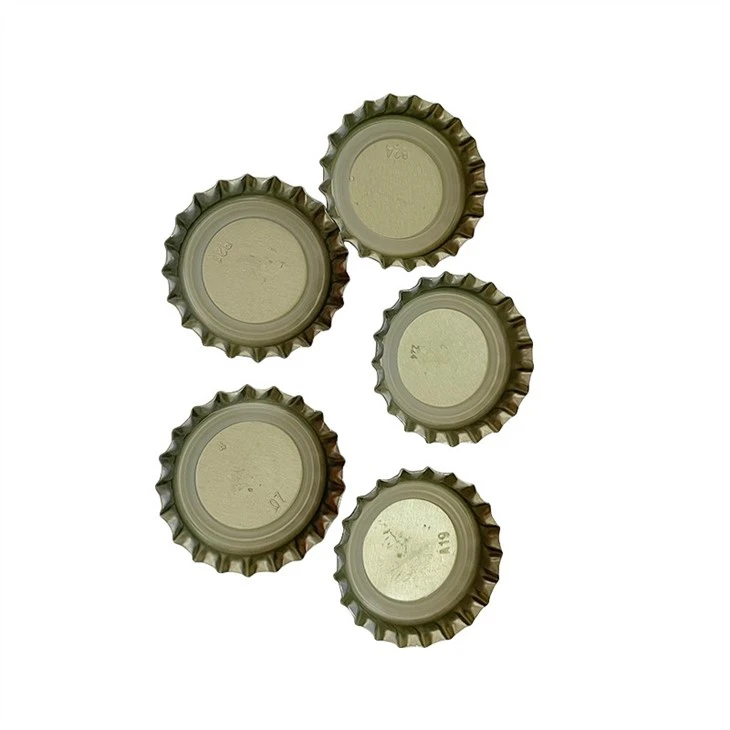
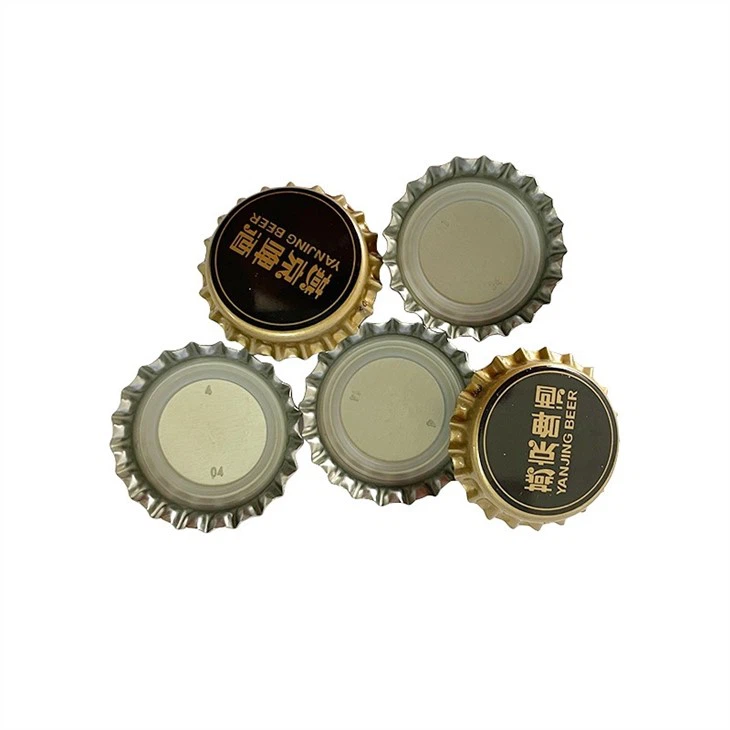
Now, as a Bottle Metal Cap supplier, I know that our Metal Bottle Tops and Metal Bottle Caps have their own set of advantages. They're great for many other types of beverages and products. For example, they're perfect for sealing carbonated drinks, as they can withstand the pressure inside the bottle. They also give a classic and stylish look to the bottles, which is important for branding and presentation.
Our Bottle Metal Cap range comes in different sizes and designs to suit various bottle types. Whether you're a small - scale artisanal producer or a large - scale manufacturer, we've got you covered. We use high - quality materials and advanced manufacturing processes to ensure the durability and functionality of our caps.
If you're in the market for bottle caps for non - vinegar products, we'd love to have a chat with you. Our caps are designed to meet the highest industry standards and can be customized to your specific needs. Whether you need a particular color, logo, or shape, we can make it happen.
Contact us to discuss your requirements and get a quote. We're always happy to help you find the perfect bottle caps for your products. Whether it's for soft drinks, juices, or other non - acidic beverages, our metal caps will do the job.
In conclusion, while bottle metal caps aren't the best choice for long - term vinegar storage due to the risk of corrosion, they have many other great uses. And as a supplier, we're committed to providing high - quality caps that meet your business needs.
References
- "The Chemistry of Vinegar", Chemistry World Journal
- "Metal Corrosion in Acidic Environments", Metallurgy Research Reports