

Can crown cover be used to assess forest health? Well, as a crown cover supplier, I've been thinking about this question a lot lately. Crown cover, for those who aren't in the know, refers to the proportion of the forest floor that's covered by the vertical projection of the tree crowns. It's a measurement that gives us an idea of how much of the sky is blocked out by the trees when you're standing beneath them.
Now, let's dive into whether crown cover can really be used as a reliable indicator of forest health. First off, a high crown cover can often suggest a healthy forest. When you've got a dense canopy, it means the trees are growing well, competing for light in a way that shows they're thriving. The trees are able to capture a good amount of sunlight, which is essential for photosynthesis. This process is the life - blood of trees, allowing them to produce the energy they need to grow, fight off diseases, and reproduce.
For example, in old - growth forests, you'll typically find a high crown cover. These forests have had decades or even centuries to develop, and the trees have reached a stage where they form a thick, continuous canopy. This not only provides a habitat for a wide variety of wildlife but also helps in maintaining the overall ecological balance of the area. The dense cover can protect the forest floor from excessive sunlight, which in turn helps to keep the soil moist and cool. This is great for soil organisms and can contribute to better nutrient cycling.
On the other hand, a low crown cover might raise some red flags. It could be a sign of deforestation, whether it's due to human activities like logging or natural causes such as wildfires or insect infestations. If a large number of trees have been removed or damaged, the crown cover will decrease. This can lead to a whole host of problems. Without the protection of the canopy, the forest floor is exposed to more sunlight, which can dry out the soil. The lack of shade can also make it difficult for some plant species to survive, and it can disrupt the food chain for the animals that depend on those plants.
But here's the thing, crown cover isn't the be - all and end - all when it comes to assessing forest health. There are other factors that need to be taken into account. For instance, the species composition of the forest matters a great deal. Some tree species naturally have a more open crown structure, so a lower crown cover in a forest dominated by these species might not necessarily mean the forest is unhealthy.
Also, the age of the forest plays a role. Young forests are still in the process of growing and developing their canopy. So, a relatively low crown cover in a young forest could be completely normal and part of the natural succession process.
Another important aspect is the presence of diseases and pests. A forest with a high crown cover might still be in trouble if there are underlying issues like a fungal infection or a pest outbreak. These problems can weaken the trees from the inside, even if the canopy looks healthy on the surface.
As a crown cover supplier, I'm always looking for ways to provide the best products to help manage and understand forests better. We offer a range of crown cover - related products that can assist in forest monitoring. Whether it's for research purposes or for forest management, our products can provide accurate data on crown cover.
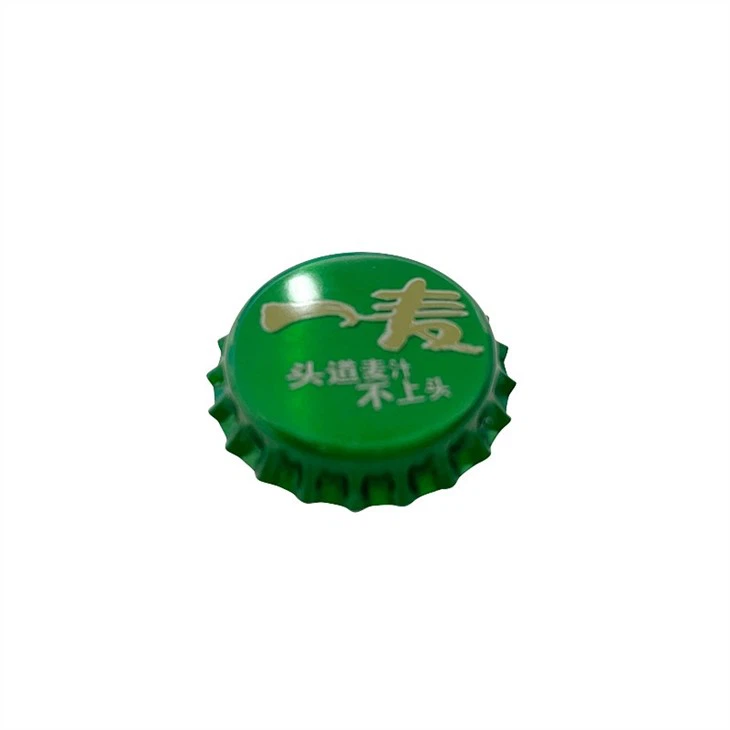
Now, let's talk a bit about the different types of crown caps that are out there. You might be wondering what crown caps have to do with forest health, but stick with me. There are various industries that use crown caps, and they come in different forms. For example, the Beer Crown Cap is widely used in the beverage industry. These caps are designed to seal beer bottles effectively, keeping the carbonation in and the air out.
Then there's the UTC Crown Cap. UTC crown caps are used in different applications, and they offer a reliable sealing solution. And if you're looking for something a bit more high - tech, the QR Code Crown Cap is an interesting option. These caps can be used to provide additional information about the product inside the bottle, such as its origin, ingredients, or even promotional offers.
Back to forest health. While crown cover can give us some valuable insights, it's important to use it in conjunction with other assessment methods. For example, looking at the tree growth rates, the health of the understory vegetation, and the overall biodiversity of the forest. By combining multiple data sources, we can get a more comprehensive picture of the forest's health.
If you're involved in forest research, management, or any related field, and you're interested in our crown cover products, I'd encourage you to reach out. We're always happy to have a chat about how our products can meet your specific needs. Whether you're looking to monitor a small forest plot or a large - scale forest area, we've got the tools and expertise to help.
In conclusion, crown cover can be a useful tool for assessing forest health, but it's not the only factor. It's just one piece of the puzzle in understanding the complex ecosystem that is a forest. By taking a holistic approach and considering all the relevant factors, we can make more informed decisions about forest management and conservation.
References

- Smith, J. (2018). Forest Ecology: Principles and Applications. Green Press.
- Brown, A. (2020). Assessing Forest Health: A Multifaceted Approach. Environmental Science Journal.
- Johnson, R. (2019). The Role of Canopy Cover in Forest Ecosystems. Forestry Research Quarterly.





