

How do crown caps interact with the bottling process?
In the beverage industry, the bottling process is a complex and highly coordinated operation. At the heart of this process lies the humble yet crucial crown cap. As a dedicated crown cap supplier, I've witnessed firsthand how these small components play a significant role in ensuring the quality and safety of bottled beverages. In this blog, we'll explore the intricate relationship between crown caps and the bottling process.
The Bottling Process Overview
The bottling process can be divided into several key stages: cleaning, filling, capping, and labeling. Each stage is essential for producing a high - quality bottled product.
First, the bottles are thoroughly cleaned to remove any contaminants. This usually involves washing with a series of chemical solutions and rinsing with clean water. After the cleaning process, the bottles are inspected to ensure they meet the required standards.
Next comes the filling stage. Depending on the type of beverage, different filling methods are used. For carbonated drinks like soda and beer, a pressure - filling system is employed to maintain the carbonation levels. Non - carbonated beverages such as juices and water can be filled using gravity - filling or vacuum - filling methods.
Once the bottles are filled, the capping stage begins. This is where the crown cap comes into play.
Crown Caps: The Basics
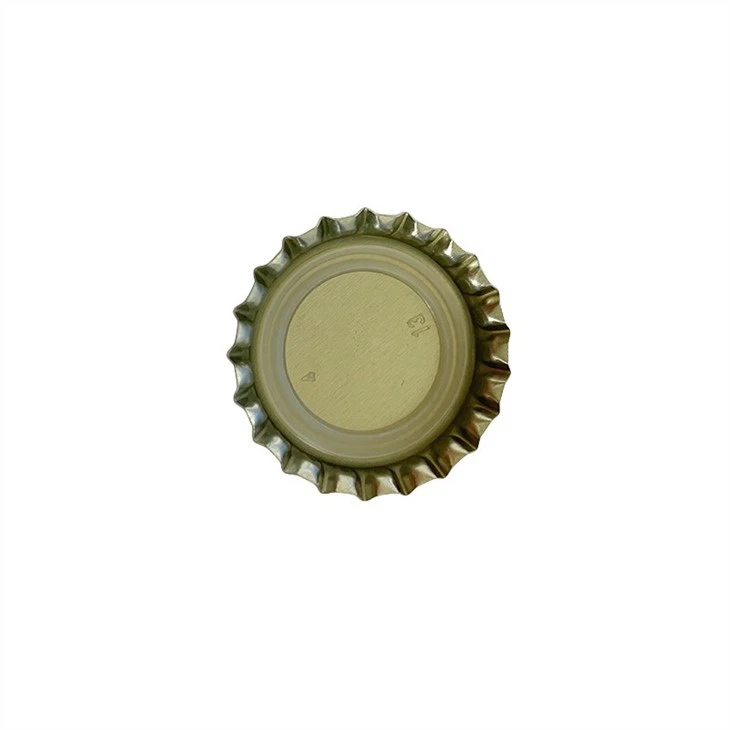
Crown caps, also known as bottle caps, are circular metal closures with a fluted edge. They are typically made of tin - plated steel or aluminum. The Crown Bottle Top is a popular choice among beverage manufacturers due to its excellent sealing properties and cost - effectiveness.
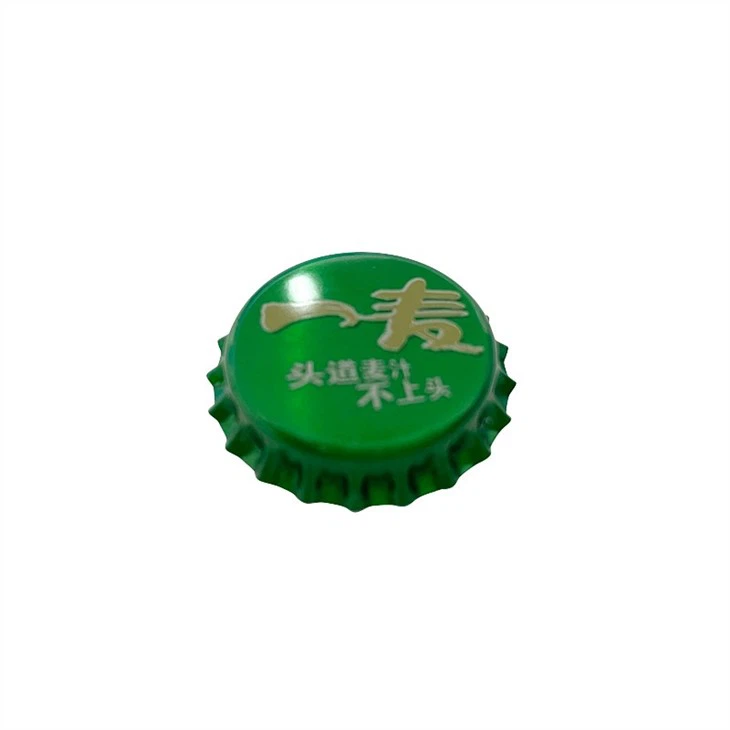
The design of a crown cap is carefully engineered. The top of the cap is flat, which provides a surface for printing logos, brand names, and other promotional information. The fluted edge is crimped around the neck of the bottle during the capping process, creating a tight seal. Inside the cap, there is a liner made of materials such as cork, plastic, or rubber. This liner helps to prevent leakage and maintain the freshness of the beverage.
Interaction with the Bottling Process
Capping Machines
Capping machines are specifically designed to apply crown caps to bottles. There are several types of capping machines, including manual, semi - automatic, and fully automatic machines.
Manual capping machines are suitable for small - scale operations or for testing purposes. They require an operator to place the crown cap on the bottle and then use a lever or a hammer - like device to crimp the cap onto the bottle neck.
Semi - automatic capping machines can handle higher production volumes. They typically have a feeding mechanism that supplies the crown caps to the capper head. The operator still needs to place the bottles under the capper head, but the crimping process is automated.
Fully automatic capping machines are the most efficient for large - scale bottling operations. These machines can handle thousands of bottles per hour. They are integrated with the rest of the bottling line, and the bottles are automatically fed through the capping station. The crown caps are fed into the machine via a hopper and are precisely placed on the bottles before the crimping process.
Sealing Integrity
One of the most critical functions of a crown cap is to provide a reliable seal for the bottled beverage. A proper seal prevents the escape of carbonation in carbonated drinks and keeps out oxygen, which can cause spoilage and affect the taste and quality of the beverage.
During the capping process, the capping machine applies a specific amount of force to crimp the crown cap onto the bottle neck. The force must be carefully calibrated to ensure a tight seal without damaging the bottle or the cap. The liner inside the cap also plays a vital role in sealing. It conforms to the shape of the bottle neck and fills any gaps, creating an airtight and watertight seal.
Beverage manufacturers often conduct quality control tests to ensure the sealing integrity of the crown caps. These tests include leak detection using methods such as pressure decay testing or bubble testing. If a leak is detected, the bottle may be rejected from the production line.
Compatibility with Beverages
Not all crown caps are suitable for all types of beverages. For example, Beer Crown Cap is specifically designed for the beer industry. Beer contains carbon dioxide, and the crown cap must be able to withstand the pressure generated by the carbonation. These caps are usually made of thicker materials and have a more robust sealing mechanism.
On the other hand, non - carbonated beverages may require a different type of crown cap. Juices and water do not have the same pressure requirements as carbonated drinks, so the caps can be designed with less emphasis on pressure resistance. However, they still need to provide a good seal to prevent contamination and leakage.
Labeling and Branding
Crown caps also serve as an important branding tool. The flat top of the cap provides a prime space for printing logos, brand names, and other marketing messages. Many beverage companies use custom - printed crown caps to enhance their brand visibility.
During the bottling process, the labeling stage can be closely coordinated with the capping stage. Some bottling lines are equipped with inline labeling systems that can apply labels to the bottles and the crown caps simultaneously. This ensures a consistent and professional look for the final product.
The Role of a Crown Cap Supplier
As a crown cap supplier, our role is not limited to just providing the caps. We work closely with beverage manufacturers to ensure that the crown caps we supply are suitable for their specific bottling processes and beverage products.
We offer a wide range of crown caps, including the UTC Crown Cap, which is known for its high - quality and durability. Our technical team provides support to help manufacturers optimize their capping processes. We can assist in selecting the right cap material, liner type, and capping machine settings.
In addition, we understand the importance of quality control. We have strict quality assurance measures in place to ensure that every crown cap meets the highest standards. From raw material inspection to final product testing, we monitor every step of the manufacturing process.
Conclusion
The interaction between crown caps and the bottling process is a complex and symbiotic relationship. Crown caps are essential for ensuring the quality, safety, and branding of bottled beverages. A reliable crown cap supplier can play a crucial role in helping beverage manufacturers achieve a seamless bottling operation.
If you're in the beverage industry and are looking for high - quality crown caps, we'd love to hear from you. Whether you're a small - scale craft brewer or a large - scale beverage manufacturer, we have the expertise and products to meet your needs. Contact us today to start a conversation about your crown cap requirements and explore how we can work together to enhance your bottling process.
References
- "Beverage Packaging Technology" by Harry Brusseau
- "Canning and Bottling of Beverages" by the Institute of Food Science and Technology


