

Hey there! I'm a supplier of Crown Cork Stoppers, and I've been in this business for quite some time. Over the years, I've seen how these little stoppers interact with all sorts of liquid chemicals, and it's been a wild ride. In this blog, I'm gonna share some of my insights on how crown cork stoppers interact with different types of liquid chemicals.
First off, let's talk about what crown cork stoppers are. Crown cork stoppers are those little metal caps with a cork or rubber liner that you see on the top of bottles. They're used to seal all kinds of bottles, from beer bottles to perfume bottles. The metal part of the crown cork is usually made of tin-plated steel, and the liner can be made of different materials, like cork, rubber, or plastic.
Now, let's get into how these stoppers interact with different types of liquid chemicals. One of the most important things to consider is the chemical compatibility of the liner material with the liquid inside the bottle. Different liner materials have different chemical resistances, so it's crucial to choose the right one for the specific liquid.
For example, if you're dealing with a highly acidic liquid, like lemon juice or vinegar, you'll want to use a liner material that's resistant to acids. Cork is a natural material that has some resistance to acids, but it might not be the best choice for long-term storage of highly acidic liquids. Rubber liners, on the other hand, can be made with materials that are highly resistant to acids, like EPDM (ethylene propylene diene monomer). EPDM rubber liners can withstand the corrosive effects of acids and keep the liquid inside the bottle fresh for a long time.
On the flip side, if you're dealing with a highly alkaline liquid, like ammonia or sodium hydroxide, you'll need a liner material that's resistant to alkalis. Some rubber materials, like neoprene, have good resistance to alkalis. Cork can also handle some alkaline substances, but again, for long-term storage of highly alkaline liquids, a more chemically resistant liner might be a better option.
Another type of liquid chemical that crown cork stoppers often come into contact with is alcohol. Alcohol is a common ingredient in many beverages, like wine, beer, and spirits, as well as in some cleaning products and cosmetics. Most liner materials can handle alcohol to some extent, but over time, alcohol can cause some materials to swell or break down. For example, cork can absorb alcohol, which might affect the taste of the liquid inside the bottle. Rubber liners made of materials like nitrile rubber are more resistant to alcohol and are often used for sealing bottles of alcoholic beverages.
When it comes to volatile organic compounds (VOCs), like those found in some solvents and paints, it's essential to choose a liner material that can prevent the escape of these compounds. VOCs can be harmful to human health and the environment, so a good seal is crucial. Some plastic liners, like polyethylene, have good barrier properties against VOCs and can help keep the liquid inside the bottle and the VOCs from escaping into the air.
Now, let's talk about the size of the crown cork stopper. We offer different sizes, like Crown Corks 23 mm and Crown Corks 29 mm. The size of the stopper you choose depends on the size of the bottle neck. A proper fit is essential for a good seal. If the stopper is too small, it won't create a tight seal, and the liquid might leak out. If it's too big, it might be difficult to apply and could also damage the bottle neck.

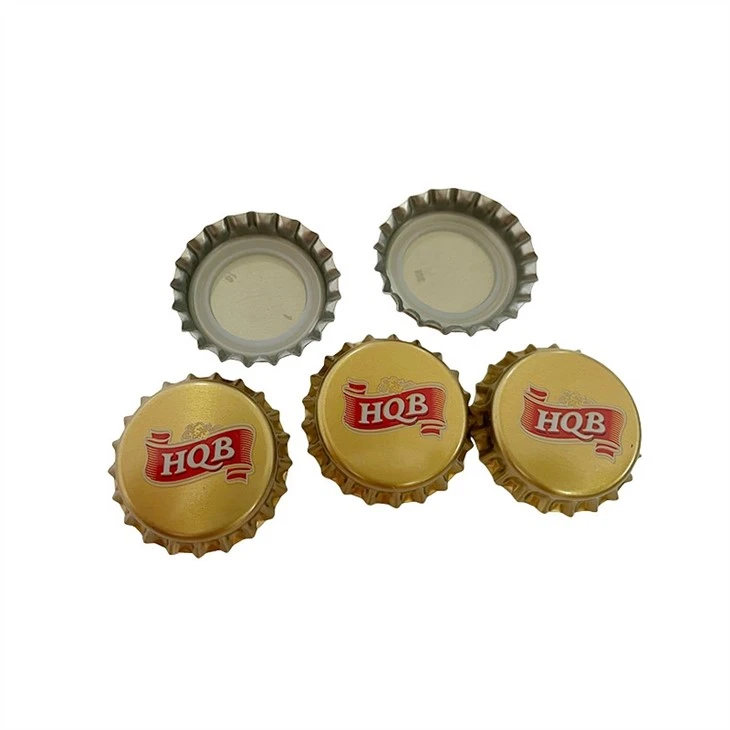
The quality of the metal part of the crown cork also matters. A high-quality tin-plated steel crown cork will be more resistant to corrosion. Corrosion can not only affect the appearance of the stopper but also compromise the seal. If the metal starts to rust, it could create tiny holes or weaken the structure of the stopper, allowing air or liquid to seep in or out.
In addition to chemical compatibility, temperature can also play a role in how crown cork stoppers interact with liquid chemicals. Extreme temperatures can cause the liner material to expand or contract, which might affect the seal. For example, if a bottle with a crown cork stopper is stored in a very cold environment, the rubber liner might become more rigid and lose its ability to form a tight seal. On the other hand, in a very hot environment, some liner materials might soften or melt, also leading to a poor seal.
It's also important to consider the storage conditions of the bottles. Bottles should be stored upright to prevent the liquid from coming into contact with the metal part of the crown cork for an extended period. If the liquid is in contact with the metal for too long, it could cause corrosion, especially if the liquid is acidic or alkaline.
Now, I want to touch on some real-world applications. In the beverage industry, crown cork stoppers are used to seal millions of bottles every day. Beer manufacturers rely on a good seal to keep the carbonation in the bottle. The right liner material can prevent the escape of carbon dioxide and keep the beer fizzy. Wine producers also use crown cork stoppers for some types of wines. The liner material needs to be chosen carefully to ensure that it doesn't affect the flavor of the wine over time.
In the pharmaceutical and cosmetic industries, crown cork stoppers are used to seal bottles of medicines, creams, and lotions. The liner material must be compatible with the active ingredients in these products to ensure their stability and effectiveness.
If you're in the market for Crown Cork Stoppers, Crown Cork Stopper is the way to go. We have a wide range of sizes and liner materials to meet your specific needs. Whether you're dealing with acidic liquids, alkaline liquids, alcohol, or other types of chemicals, we can help you find the perfect crown cork stopper for your bottles.
If you have any questions or want to discuss your specific requirements, feel free to reach out. We're here to help you make the right choice and ensure that your products are properly sealed and protected. Let's work together to find the best crown cork stopper solution for your business.
References
- Smith, J. (2018). Chemical Compatibility of Packaging Materials. Packaging Science Journal.
- Brown, A. (2019). The Effects of Temperature on Sealing Materials. Industrial Sealing Magazine.
- Green, C. (2020). Crown Cork Stoppers in the Beverage Industry. Beverage Business Review.





