Hey there! As a supplier of Bottle Metal Caps, I often get asked about the proper way to seal a bottle with a metal cap. It might seem like a simple task, but there are actually some key steps and considerations to ensure a good seal. In this blog, I'll walk you through the whole process.
Understanding Your Metal Caps
First things first, let's talk about the different types of metal caps we offer. We have Metal Cap for Glass Bottle, which are specifically designed to fit glass bottles. These caps are made from high - quality metal, usually tin - plated steel or aluminum, which provides good corrosion resistance and a nice finish.
Then there are Metal Jar Cap. These are a bit sturdier and are often used for jars that hold things like jams, pickles, or other food items. They come in various sizes and styles, like screw - on caps and press - on caps.
Of course, our main product is the Bottle Metal Cap. These are extremely versatile and can be used for all sorts of bottles, from small perfume bottles to large beverage containers.
Preparing the Bottle and Cap
Before you start the sealing process, you need to make sure both the bottle and the cap are clean. Any dirt, dust, or residue can prevent a proper seal. You can use a clean, damp cloth to wipe the rim of the bottle and the inside of the cap.
Check the bottle for any cracks or chips around the rim. A damaged rim won't allow the cap to seal properly. If you find any issues with the bottle, it's best to replace it.
For the cap, look for any dents or deformities. A dented cap might not fit correctly on the bottle. If you notice any problems with the cap, don't use it. We always make sure to inspect our caps before shipping them out, but sometimes things can happen during transit.
Sealing Methods
Screw - On Caps
Screw - on caps are one of the most common types of bottle metal caps. To seal a bottle with a screw - on cap, start by aligning the threads on the cap with the threads on the bottle. You need to be careful here; if the threads aren't lined up properly, you might cross - thread the cap, which can damage both the cap and the bottle.
Slowly start turning the cap clockwise. Don't force it; if it's not turning easily, stop and realign the threads. As you turn the cap, you'll feel some resistance. Keep turning until you can't turn it anymore by hand. You don't need to use excessive force; just make sure the cap is snug.
If you want an extra - tight seal, you can use a cap wrench. A cap wrench gives you more leverage, allowing you to tighten the cap further. But be careful not to over - tighten, as this can damage the bottle or the cap.
Press - On Caps
Press - on caps work differently. These caps rely on a tight fit to seal the bottle. First, place the cap on top of the bottle, making sure it's centered. Then, using your hands, press down firmly on the cap. You might need to apply some force, but don't go overboard.
If you're sealing a large number of bottles, you can use a capping machine. A capping machine can apply a consistent amount of pressure, ensuring a proper seal every time. There are different types of capping machines available, from manual ones for small - scale operations to fully automated ones for large factories.
Crown Caps
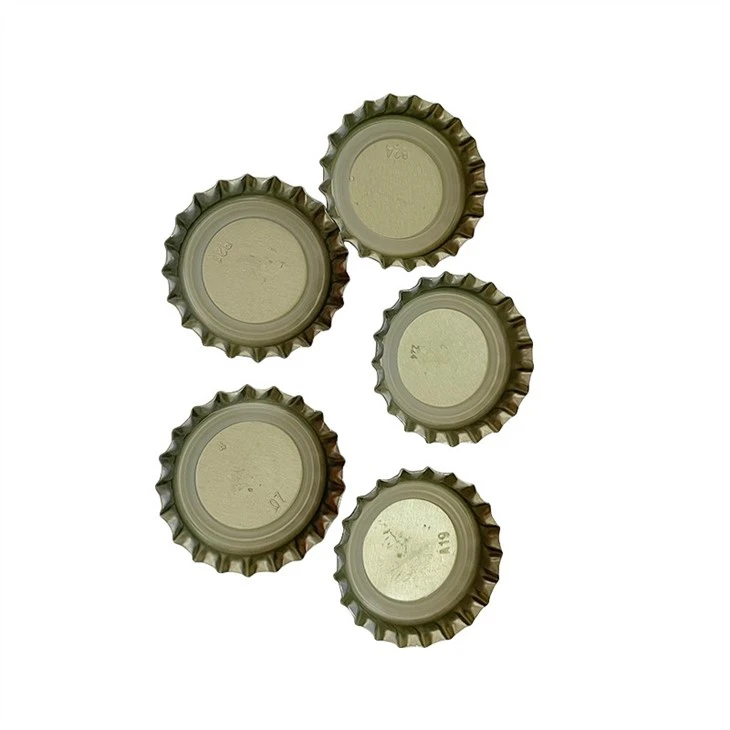
Crown caps are commonly used for beer bottles and some carbonated beverages. To seal a bottle with a crown cap, you'll need a crown capper. Place the crown cap on top of the bottle and position the capper over it.
Then, apply pressure to the capper. The capper will crimp the edges of the crown cap around the bottle rim, creating a tight seal. Make sure the capper is centered on the cap; otherwise, the seal might not be even.
Testing the Seal
After sealing the bottle, it's a good idea to test the seal. For non - carbonated beverages, you can turn the bottle upside down and let it sit for a few minutes. If there are any leaks, you'll see liquid seeping out around the cap.
For carbonated beverages, you can look for signs of carbonation loss. If the bottle seems to be losing its fizz quickly, it might have a poor seal. You can also listen for a hissing sound when you open the bottle; a proper seal should keep the carbonation in until you're ready to open it.

Troubleshooting
Sometimes, you might encounter problems during the sealing process. If you're having trouble getting a cap to fit properly, check the size. Make sure you're using the right size cap for the bottle. Our website has a size guide that can help you choose the correct cap for your specific bottle.
If you're experiencing leaks, it could be due to a damaged cap or bottle, or an improper sealing technique. Go back and check the steps I mentioned earlier. Make sure the bottle and cap are clean, the threads are aligned (for screw - on caps), and you're applying the right amount of pressure.
Why Choose Our Bottle Metal Caps
We take pride in offering high - quality bottle metal caps. Our caps are made from top - notch materials, which means they're durable and long - lasting. We have a wide range of sizes and styles to choose from, so you can find the perfect cap for your needs.
Our caps are also designed to provide a reliable seal. Whether you're sealing a delicate perfume or a fizzy soda, our caps will keep your product fresh and protected.
Contact Us for Purchasing
If you're interested in purchasing our Bottle Metal Caps, we'd love to hear from you. We offer competitive prices and excellent customer service. Whether you're a small business or a large corporation, we can accommodate your needs. Just reach out to us, and we'll be happy to discuss your requirements and provide you with a quote.
References
- Packaging Industry Handbook. This handbook provides in - depth information about different types of packaging materials and sealing methods.
- Metal Packaging Association Publications. These publications offer insights into the manufacturing and use of metal caps for bottles.