Metal lug caps are a crucial component in various industries, particularly in packaging and construction. As a leading supplier of metal lug caps, I've witnessed firsthand the importance of understanding how these caps handle temperature changes. In this blog post, I'll delve into the science behind metal lug caps and their response to temperature variations, exploring the factors that influence their performance and the implications for different applications.
The Basics of Metal Lug Caps
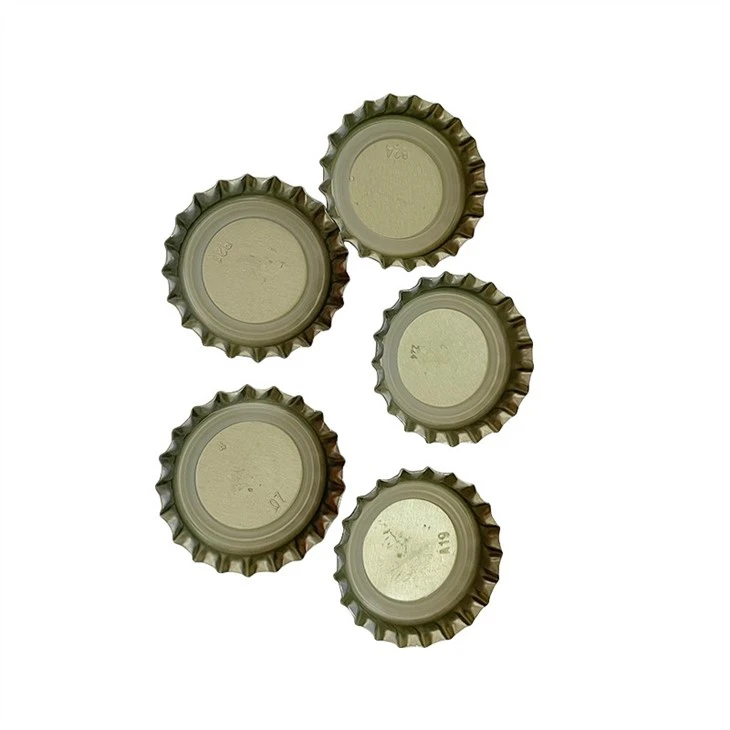
Before we discuss temperature changes, let's briefly review what metal lug caps are. Metal lug caps are typically made from materials like aluminum or steel and are designed to provide a secure closure for containers, such as bottles or jars. They feature a series of lugs or ridges on the inside that engage with corresponding threads on the container neck, creating a tight seal. In construction, they can also be used as post caps, like the Black Metal Post Caps, to protect and enhance the appearance of posts.
Thermal Expansion and Contraction
One of the primary ways metal lug caps respond to temperature changes is through thermal expansion and contraction. Metals, in general, expand when heated and contract when cooled. This is due to the increased kinetic energy of the metal atoms at higher temperatures, causing them to vibrate more and take up more space. Conversely, at lower temperatures, the atoms have less energy and move closer together, resulting in contraction.
The coefficient of thermal expansion (CTE) is a measure of how much a material expands or contracts per unit length for a given change in temperature. Different metals have different CTE values. For example, aluminum has a relatively high CTE compared to steel. This means that an aluminum lug cap will expand and contract more than a steel lug cap for the same temperature change.

Impact on Packaging Applications
In packaging, the ability of metal lug caps to handle temperature changes is critical for maintaining the integrity of the seal. If a cap expands too much when heated, it may become loose on the container, allowing air or moisture to enter and potentially spoiling the contents. On the other hand, if it contracts too much when cooled, it may crack or break, also compromising the seal.
For products that are stored or transported in varying temperature conditions, such as beverages or food items, it's essential to choose a metal lug cap with an appropriate CTE. For instance, if a product is likely to be exposed to high temperatures during shipping, a steel lug cap with a lower CTE may be a better choice to prevent the cap from loosening.
In addition to thermal expansion, temperature changes can also affect the elasticity of the gasket inside the cap. Many metal lug caps have a rubber or plastic gasket that provides an additional seal. Extreme temperatures can cause the gasket to harden or soften, reducing its effectiveness. Therefore, it's important to select gaskets that are designed to withstand the expected temperature range.
Impact on Construction Applications
In construction, metal lug caps are often used as post caps to protect the tops of wooden or metal posts from weathering and damage. Temperature changes can have a significant impact on the performance of these caps. For example, in cold climates, the contraction of the metal cap may cause it to become loose on the post, increasing the risk of it falling off. In hot climates, the expansion of the cap may cause it to buckle or warp, affecting its appearance and functionality.
The Black Metal Post Caps we supply are designed to withstand a wide range of temperatures. We use high-quality materials and advanced manufacturing techniques to ensure that the caps maintain their shape and fit even in extreme conditions. Additionally, we offer a variety of finishes and styles to meet the aesthetic requirements of different construction projects.
Factors Affecting Performance
Several factors can influence how well metal lug caps handle temperature changes. These include:
- Material Composition: As mentioned earlier, different metals have different CTE values. The choice of metal can significantly impact the cap's response to temperature variations.
- Thickness and Design: The thickness of the metal and the design of the cap can also affect its thermal performance. A thicker cap may be more resistant to deformation due to temperature changes, while a well-designed cap can distribute stress more evenly.
- Surface Treatment: Surface treatments, such as painting or coating, can provide an additional layer of protection against temperature-related damage. For example, a powder-coated finish can help to insulate the metal and reduce the impact of temperature changes.
- Installation: Proper installation is crucial for ensuring that metal lug caps perform well in different temperature conditions. If a cap is not installed correctly, it may be more prone to loosening or damage due to thermal expansion and contraction.
Case Studies
To illustrate the importance of temperature resistance in metal lug caps, let's look at a couple of case studies.
Case Study 1: Beverage Packaging
A beverage company was experiencing issues with their metal lug caps loosening during hot summer months. After investigating, they found that the aluminum lug caps they were using had a high CTE and were expanding too much in the heat. They switched to steel lug caps with a lower CTE, and the problem was resolved. The new caps maintained a tight seal even in high temperatures, ensuring the quality and freshness of the beverages.
Case Study 2: Construction Project
A construction project in a cold climate was using metal post caps on wooden posts. The caps were made of a thin aluminum alloy and were contracting so much in the cold that they were falling off the posts. The contractor replaced the caps with our Black Metal Post Caps, which are made of a thicker steel and have a lower CTE. The new caps stayed in place even during the coldest winter months, providing long-lasting protection for the posts.
Conclusion
In conclusion, the ability of metal lug caps to handle temperature changes is a crucial factor in their performance and suitability for different applications. By understanding the science behind thermal expansion and contraction and considering factors such as material composition, design, and surface treatment, we can ensure that our metal lug caps meet the highest standards of quality and reliability.
As a supplier of metal lug caps, we're committed to providing our customers with products that are designed to withstand the challenges of varying temperature conditions. Whether you're in the packaging industry or a construction project, our Bottle Metal Cap and Metal Cap Bottle options, as well as our high-quality post caps, are engineered to perform.
If you're interested in learning more about our metal lug caps or discussing your specific requirements, I encourage you to reach out to us. We'd be happy to help you find the perfect solution for your needs.
References
- "Thermal Expansion of Metals," Materials Science Handbook
- "Packaging Design for Temperature Variations," Journal of Packaging Science and Technology
- "Construction Applications of Metal Post Caps," Construction Materials Review