

Hey there, fellow bottle enthusiasts! I'm a supplier of UTC Crown Caps, and today I'm gonna dive deep into how UTC Crown Caps stack up against cork stoppers. It's a hot topic in the beverage and wine world, so let's get right into it.
First Impressions: Look and Feel
When you first pick up a bottle, the closure is one of the first things you notice. Cork stoppers have this classic, natural look. They're made from the bark of cork oak trees, which gives them a warm, earthy appearance. There's something rustic and charming about pulling out a cork, almost like opening a little piece of nature.
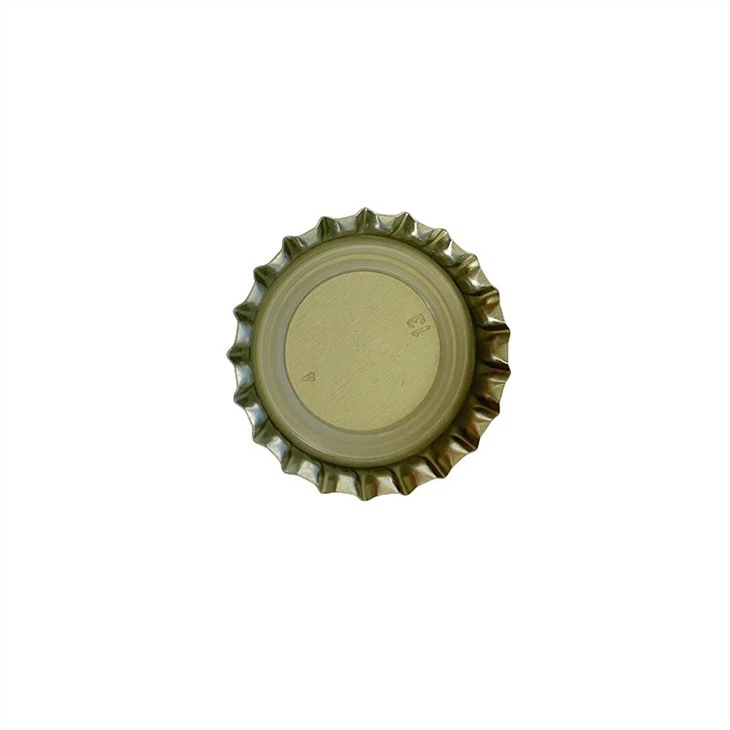
On the other hand, UTC Crown Caps have a sleek, modern look. They're usually made of metal, often with a colorful print on top. They come in a variety of designs, from simple and understated to bold and eye - catching. If you're going for a contemporary or edgy brand image, Crown Caps can really make your product stand out on the shelf. You can check out some great examples of Crown Bottle Caps and Crown Bottle Top on our website.
Seal and Preservation
One of the most important aspects of a bottle closure is how well it seals the contents and preserves the quality of the liquid inside.
Cork stoppers have been used for centuries, and they've got a pretty good track record. They're porous, which allows a tiny amount of oxygen to interact with the wine over time. This slow oxidation can be beneficial for some wines, especially red wines, as it helps them develop more complex flavors. However, corks can also be inconsistent. There's a risk of "cork taint," which is caused by a chemical compound called TCA. This can make the wine taste musty or moldy, and it's a real headache for winemakers and consumers alike.
UTC Crown Caps, on the other hand, provide an airtight seal. They prevent oxygen from getting into the bottle, which is great for preserving the freshness of carbonated beverages like beer and soda. For wines, it means that the flavors and aromas stay exactly as they were when the bottle was sealed. There's no risk of cork taint, and you can be sure that every bottle will taste the same. This consistency is a huge advantage for large - scale producers who want to maintain a uniform product. If you're interested in the technology behind these reliable seals, take a look at Crown Cover.
Ease of Use
Let's talk about how easy it is to open and close a bottle with each type of closure.
Cork stoppers can be a bit of a hassle. You need a corkscrew, and if you don't have one handy, you're out of luck. Sometimes, the cork can break or crumble when you're trying to pull it out, which can be frustrating. And once you've opened the bottle, it can be difficult to re - seal it properly. You might end up with a loose - fitting cork that doesn't keep the wine fresh for very long.
UTC Crown Caps are super easy to use. All you need is a bottle opener, which is usually readily available in bars, restaurants, and homes. Opening a bottle with a Crown Cap is quick and satisfying, with that classic "pop" sound. And if you don't finish the bottle, you can easily put the cap back on (although you might need a special tool for a really tight seal). This convenience makes Crown Caps a popular choice for everyday drinking.

Cost
Cost is always a factor in any business decision, and it's no different when it comes to choosing a bottle closure.
Cork stoppers can be expensive, especially high - quality natural corks. The process of harvesting and processing cork is labor - intensive, and the supply of cork oak trees is limited. This means that the price of corks can fluctuate depending on market conditions. For small - scale producers or those on a tight budget, corks can eat into their profit margins.
UTC Crown Caps are generally more cost - effective. They're mass - produced, which allows for economies of scale. The materials used to make Crown Caps are relatively inexpensive, and the manufacturing process is efficient. This makes Crown Caps a great option for producers who need to keep their costs down without sacrificing quality.
Environmental Impact
In today's world, environmental concerns are more important than ever. So, let's take a look at how these two types of closures stack up in terms of their environmental impact.
Cork is a renewable resource. The cork oak tree can be harvested every 9 - 12 years without harming the tree, and it actually helps the tree to grow. Cork forests also provide important habitats for many species of plants and animals. However, the transportation and processing of cork can have a significant carbon footprint, and there's also the issue of cork waste.
UTC Crown Caps are made of metal, which is recyclable. Recycling metal uses less energy than producing new metal from raw materials, which helps to reduce the environmental impact. Additionally, the manufacturing process for Crown Caps is relatively clean and efficient. As more and more consumers become environmentally conscious, the recyclability of Crown Caps can be a major selling point for producers.
Conclusion
So, there you have it! UTC Crown Caps and cork stoppers each have their own unique advantages and disadvantages. If you're looking for a classic, traditional look and a bit of oxygen interaction for your wine, cork stoppers might be the way to go. But if you want a modern, cost - effective, and reliable closure that's easy to use and environmentally friendly, UTC Crown Caps are a great choice.
If you're a producer and you're interested in learning more about how UTC Crown Caps can benefit your business, I'd love to have a chat with you. Whether you're in the beer, wine, or other beverage industry, we can work together to find the perfect solution for your bottling needs. Just reach out to start a conversation about procurement and let's see how we can make your products shine on the shelves.
References
- "The Science of Wine Corks" - Wine Enthusiast Magazine
- "Crown Caps: A Modern Solution for Bottling" - Beverage Industry Journal
- "Environmental Impact of Packaging Materials" - Journal of Sustainable Packaging





