As a dedicated supplier of Metal Cap for Bottle, ensuring the proper sealing of our products is of utmost importance. A well - sealed metal cap not only preserves the quality and freshness of the contents inside the bottle but also reflects the high - standard manufacturing and quality control processes of our company. In this blog, I will share several effective methods to check if a metal cap for a bottle is properly sealed.
Visual Inspection
The first and simplest method is visual inspection. This is a basic yet crucial step that can be carried out quickly. When looking at a sealed bottle, check for any obvious signs of misalignment or damage.
- Cap Position: The cap should sit evenly on the bottle neck. If it is tilted to one side, it may indicate that it was not properly applied during the capping process. For example, in the case of Metal Milk Bottle Tops, a misaligned cap can lead to air leakage, which can spoil the milk over time.
- Seam Integrity: Examine the seam where the cap meets the bottle. A proper seal will have a smooth and continuous seam. Any gaps, cracks, or unevenness in the seam can be a sign of a poor seal. For instance, if you notice a small crack in the seam of a Metal Lug Cap, it may allow contaminants to enter the bottle, compromising the product inside.
- Cap Damage: Look for any dents, scratches, or deformities on the cap itself. A damaged cap may not be able to form a tight seal. For example, a dented cap may not be able to press down evenly on the bottle's sealing surface, leading to leaks.
Pressure Testing
Pressure testing is a more accurate way to determine if a metal cap is properly sealed. There are two common types of pressure tests: positive pressure testing and negative pressure testing.
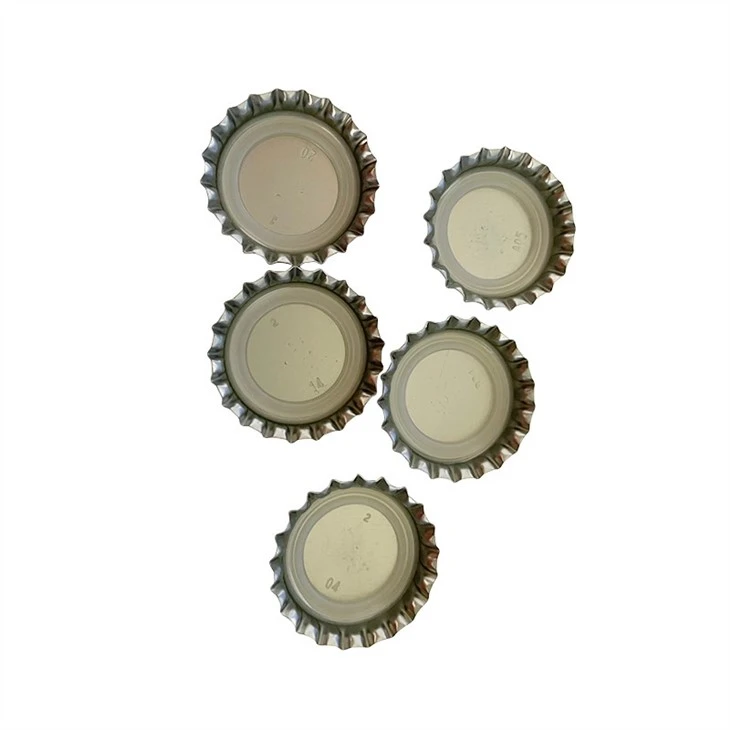

- Positive Pressure Testing: In this method, the bottle is pressurized from the inside. The pressure forces the contents (usually air) against the cap and the bottle's sealing surface. If the cap is properly sealed, the pressure will remain stable. If there is a leak, the pressure will drop over time. This test can be performed using specialized pressure - testing equipment. For example, a pressure gauge can be attached to the bottle, and the pressure can be monitored for a set period. If the pressure drops below a certain threshold, it indicates a leak in the seal.
- Negative Pressure Testing: Also known as vacuum testing, this method involves creating a vacuum inside the bottle. The external atmospheric pressure then presses against the cap and the bottle. If the cap is sealed correctly, the bottle will maintain the vacuum. A loss of vacuum indicates a leak. This test is particularly useful for products that are sensitive to oxygen, such as some food and beverage products. For example, wine bottles often undergo negative pressure testing to ensure that the metal caps provide an air - tight seal, preventing oxidation of the wine.
Torque Testing
Torque refers to the rotational force applied when tightening the cap. Appropriate torque is essential for a proper seal. If the cap is tightened too loosely, it will not form a good seal, and if it is tightened too tightly, it may damage the cap or the bottle.
- Torque Specification: Different types of metal caps and bottles have specific torque requirements. These specifications are usually determined by the manufacturer based on factors such as the size of the cap, the material of the bottle, and the type of product inside. For example, a small Metal Milk Bottle Tops may require a lower torque compared to a larger Metal Lug Cap used for a heavy - duty bottle.
- Torque Testing Equipment: Specialized torque wrenches can be used to measure the torque applied during the capping process. By comparing the measured torque with the specified torque, it can be determined if the cap is tightened correctly. If the measured torque is outside the acceptable range, adjustments can be made to the capping equipment to ensure proper sealing in future production.
Leak Detection Using Dye Penetrant
Dye penetrant testing is a sensitive method for detecting small leaks that may not be visible to the naked eye.
- Application of Dye: A colored dye is applied to the outside of the sealed bottle, specifically around the cap area. The dye has the ability to penetrate small gaps and cracks. After a certain period, the excess dye is removed.
- Inspection: If there is a leak in the seal, the dye will have seeped into the leak path and will be visible on the inside of the bottle or on the cap. This method can be very effective in detecting micro - leaks that could otherwise go unnoticed. For example, in the case of pharmaceutical products, where even the smallest leak can compromise the sterility of the product, dye penetrant testing can be a valuable quality control tool.
Sensory Evaluation
In some cases, sensory evaluation can also provide clues about the seal of a metal cap.
- Smell: If there is a leak in the seal, the odor of the product inside the bottle may be detectable outside. For example, if a bottle of perfume has a poorly sealed Metal Cap for Bottle, the fragrance may escape, and a distinct smell can be noticed.
- Sound: When opening a properly sealed bottle, there is often a characteristic "pop" sound, which indicates that there is a pressure difference between the inside and the outside of the bottle. The absence of this sound or an abnormal sound when opening the bottle may suggest a poor seal.
Importance of Proper Sealing
Properly sealed metal caps are essential for several reasons.
- Product Quality: A good seal protects the product inside the bottle from external factors such as air, moisture, and contaminants. This helps to maintain the quality, freshness, and safety of the product. For example, in the food and beverage industry, a proper seal can prevent spoilage, mold growth, and the growth of harmful bacteria.
- Customer Satisfaction: Customers expect products to be in perfect condition when they purchase them. A poorly sealed bottle can lead to customer complaints and a negative brand image. On the other hand, a product with a reliable seal enhances customer satisfaction and builds brand loyalty.
- Regulatory Compliance: Many industries are subject to strict regulations regarding product packaging and sealing. Ensuring proper sealing of metal caps helps companies comply with these regulations and avoid potential legal issues.
Conclusion
As a supplier of Metal Cap for Bottle, we understand the critical role that proper sealing plays in the quality and success of our customers' products. By using a combination of visual inspection, pressure testing, torque testing, dye penetrant testing, and sensory evaluation, we can ensure that our metal caps meet the highest standards of sealing performance.
If you are in the market for high - quality metal caps for your bottles, we invite you to reach out to us for further discussion. We are committed to providing you with the best solutions tailored to your specific needs. Whether you are looking for Metal Milk Bottle Tops or Metal Lug Cap, we have the expertise and the products to meet your requirements. Contact us today to start a fruitful procurement negotiation.
References
- ASTM International. (20XX). Standard Test Methods for Determining Seal Integrity of Packaging.
- Packaging Machinery Manufacturers Institute (PMMI). (20XX). Best Practices for Capping and Sealing in the Packaging Industry.
- Food and Drug Administration (FDA). (20XX). Regulations on Packaging and Sealing of Food and Beverage Products.