

Hey there! I'm a supplier of Red Crown Cork, and I know how tricky it can be to pick the right grade. In this blog, I'll share some tips to help you make the best choice.
Understanding Red Crown Cork Grades
First off, let's talk about what these grades mean. Red Crown Cork comes in different grades, each designed for specific uses. The grade mainly depends on factors like the quality of the cork material, its durability, and how well it seals.
The higher - grade Red Crown Corks are made from premium cork materials. These materials are carefully selected and processed to ensure they have excellent elasticity and sealing properties. They're often used in high - end products where a perfect seal is crucial, like fine wines or luxury spirits.

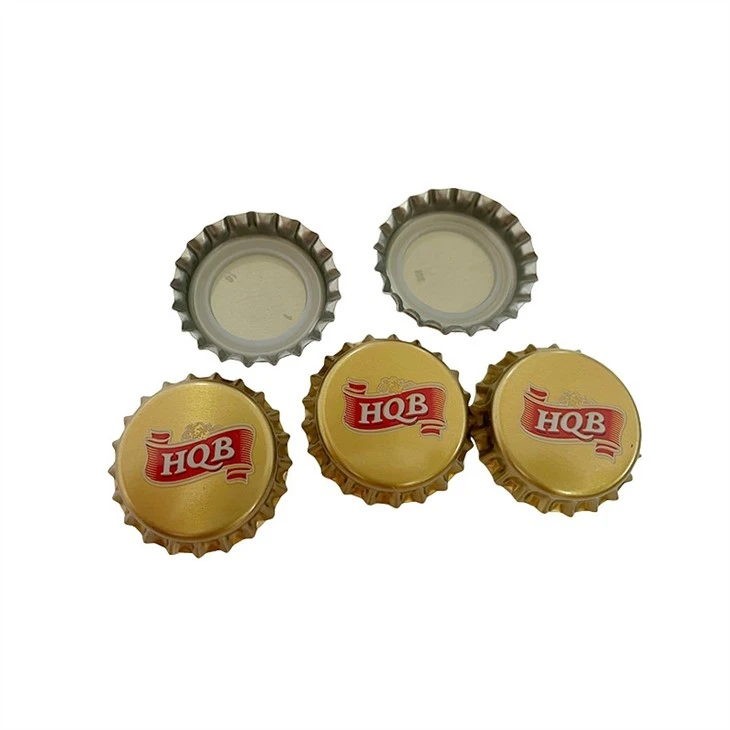
On the other hand, lower - grade Red Crown Corks are more budget - friendly. They're still good for sealing, but they might not have the same level of quality as the higher - grade ones. They're commonly used in products where the sealing requirements aren't as strict, such as some non - alcoholic beverages or lower - end wines.
Factors to Consider When Choosing
1. Product Type
The type of product you're sealing is a major factor. If you're dealing with a carbonated beverage, you'll need a Red Crown Cork that can withstand the pressure. A higher - grade cork with better elasticity and strength is a must here. For example, Crown Cork Bottle often requires a cork that can keep the carbonation inside and prevent leakage.
For non - carbonated products like fruit juices or some herbal teas, a lower - grade cork might be sufficient. These products don't have the same pressure issues, so you can save some money by choosing a more affordable option.
2. Storage Conditions
Think about how the product will be stored. If it's going to be stored in a warm environment, the cork needs to be able to maintain its sealing properties even in high temperatures. Higher - grade Red Crown Corks are usually more resistant to heat and can better protect the product from spoilage.
If the product will be stored in a cool and dry place, the requirements for the cork aren't as demanding. You can choose a grade that suits the relatively stable storage conditions.
3. Shelf Life
The longer the shelf life of your product, the better the cork you'll need. A high - grade Red Crown Cork can provide a more reliable seal over an extended period. This is especially important for products that are meant to be stored for months or even years, like aged wines.
For products with a short shelf life, such as some freshly made beverages that are expected to be consumed quickly, a lower - grade cork can do the job.
4. Cost
Let's face it, cost is always a consideration. Higher - grade Red Crown Corks are more expensive, but they offer better quality and performance. You need to balance your budget with the requirements of your product. If you're running a small business or producing a product with a lower profit margin, you might want to look at more cost - effective options like Crown Corks 32 mm.
Different Grades and Their Applications
High - Grade Red Crown Cork
High - grade Red Crown Corks are the top - of - the - line option. They're made from the best cork materials and undergo strict quality control. These corks are ideal for products that require a long - term, airtight seal.
Wine producers, especially those making premium wines, often choose high - grade Red Crown Corks. The cork helps to preserve the flavor and aroma of the wine as it ages. It also prevents oxygen from entering the bottle, which can cause the wine to spoil.
In the spirits industry, high - grade corks are used for luxury whiskies, brandies, and other high - end liquors. The cork ensures that the spirit retains its quality and character over time.
Medium - Grade Red Crown Cork
Medium - grade Red Crown Corks offer a good balance between quality and cost. They're suitable for a wide range of products. Many mid - level wine producers use medium - grade corks. These corks provide a decent seal and can protect the wine for a reasonable period.
They're also used in some high - end non - alcoholic beverages, like artisanal fruit juices or craft sodas. The cork adds a touch of elegance to the packaging while still being affordable.
Low - Grade Red Crown Cork
Low - grade Red Crown Corks are the most budget - friendly option. They're often used in products with a short shelf life or where the sealing requirements aren't very strict.
Some mass - produced non - alcoholic beverages, like certain types of soft drinks or ready - to - drink teas, use low - grade corks. These corks are mainly for basic sealing and don't need to provide a long - term, airtight seal.
Quality Assurance
When choosing a Red Crown Cork grade, it's important to ensure that the corks meet your quality standards. As a supplier, I always recommend working with a reputable manufacturer. A good manufacturer will have strict quality control measures in place to ensure that the corks are consistent in quality.
Look for manufacturers who can provide you with test reports or certifications. These documents can give you an idea of the cork's performance in terms of sealing, durability, and other important factors.
Conclusion
Choosing the right grade of Red Crown Cork is all about understanding your product's needs and balancing them with your budget. Whether you need a high - grade cork for a premium product or a low - grade one for a cost - effective solution, there's an option out there for you.
If you're still not sure which grade is right for your product, don't hesitate to reach out. I'm here to help you make the best decision. We can discuss your specific requirements and find the perfect Red Crown Cork for your business. Whether you're interested in Crown Cork Stopper or other types of corks, I've got you covered.
So, if you're looking to source Red Crown Corks for your products, let's start a conversation. I'm confident that we can work together to find the right grade and quantity for your needs.
References
- Cork Industry Research Institute. (20XX). Cork Grading and Quality Standards.
- Beverage Packaging Association. (20XX). Best Practices for Cork Selection in Beverage Packaging.


