Hey there! As a supplier of bottle metal caps, I often get asked about how to measure the diameter of these little guys. It might seem like a simple task, but there are actually a few things to keep in mind to get an accurate measurement. In this blog post, I'll walk you through the process step by step and also share some tips and tricks along the way.
Why Measuring the Diameter of a Bottle Metal Cap is Important
Before we dive into the how - to, let's talk about why measuring the diameter of a bottle metal cap is so important. For us suppliers, accurate measurements are crucial for ensuring that the caps fit properly on the bottles. A cap that's too small won't seal the bottle effectively, which can lead to leaks and spoilage of the product inside. On the other hand, a cap that's too large might not stay on the bottle at all.
For our customers, whether they're in the beverage, pharmaceutical, or cosmetic industry, getting the right - sized cap is essential for product quality and customer satisfaction. A well - fitting cap not only protects the product but also gives a professional and polished look to the packaging.
Tools You'll Need
To measure the diameter of a bottle metal cap, you'll need a few basic tools:
- Calipers: These are the most accurate tool for measuring small objects like bottle caps. You can get either digital or manual calipers. Digital calipers are easier to read, but manual ones are more affordable.
- Ruler: A simple ruler can also be used, but it's not as accurate as calipers. If you don't have calipers, a ruler can give you a rough estimate.
- Micrometer: This is a more precise tool than calipers and is often used in industrial settings. However, it's also more expensive and might be overkill for most applications.
Step - by - Step Guide to Measuring the Diameter of a Bottle Metal Cap
Using Calipers
- Open the calipers: Make sure the calipers are fully open before you start. You can do this by pressing the zero button on digital calipers or adjusting the jaws on manual calipers.
- Place the cap between the jaws: Gently place the bottle metal cap between the jaws of the calipers. Make sure the cap is centered and that the jaws are perpendicular to the cap.
- Close the jaws: Slowly close the jaws of the calipers until they touch the outer edges of the cap. Be careful not to apply too much pressure, as this can distort the cap and give an inaccurate measurement.
- Read the measurement: On digital calipers, the measurement will be displayed on the screen. On manual calipers, you'll need to read the scale on the caliper body. Make sure to read the measurement at eye level to avoid parallax errors.
Using a Ruler
- Place the cap on a flat surface: Make sure the cap is lying flat and stable.
- Align the ruler: Place the ruler across the widest part of the cap. Try to align the ruler as accurately as possible with the outer edges of the cap.
- Read the measurement: Look at the point on the ruler where the outer edges of the cap line up. This will give you a rough estimate of the diameter. Keep in mind that this method is less accurate than using calipers.
Using a Micrometer
- Zero the micrometer: Just like with calipers, you need to zero the micrometer before taking a measurement.
- Place the cap in the micrometer: Gently place the bottle metal cap between the anvil and the spindle of the micrometer.
- Turn the thimble: Slowly turn the thimble until the spindle touches the cap. Be careful not to overtighten.
- Read the measurement: Read the measurement on the sleeve and the thimble of the micrometer. This method is very accurate but requires some practice to use correctly.
Common Mistakes to Avoid
- Applying too much pressure: As mentioned earlier, applying too much pressure when measuring can distort the cap and give an inaccurate measurement.
- Not centering the cap: If the cap is not centered between the measuring jaws, the measurement will be off.
- Reading the measurement at an angle: This can cause parallax errors, especially when using a ruler or manual calipers. Always read the measurement at eye level.
Different Types of Bottle Metal Caps and Their Measurement Considerations
There are several types of bottle metal caps, such as Metal Screw Cap, Metal Bottle Capper, and Metal Cap Bottle. Each type might have slightly different measurement requirements.
- Screw caps: When measuring screw caps, you need to measure the outer diameter of the cap body. You also need to consider the thread pitch and the height of the cap if you're using it for a specific application.
- Press - on caps: These caps are measured by their outer diameter. The fit of press - on caps is often more forgiving than screw caps, but accurate measurement is still important.
- Crown caps: Crown caps are typically measured by their outer diameter and the number of flutes around the edge. The number of flutes can affect the seal and the fit of the cap on the bottle.
Tips for Accurate Measurement
- Take multiple measurements: To ensure accuracy, take at least three measurements at different points around the cap and then calculate the average.
- Use a clean cap: Dirt or debris on the cap can affect the measurement. Make sure the cap is clean before you measure it.
- Check the tool calibration: Regularly check the calibration of your measuring tools to ensure accurate results.
Conclusion
Measuring the diameter of a bottle metal cap is an important task for both suppliers and customers. By using the right tools and following the proper techniques, you can get an accurate measurement every time. Whether you're a small business owner looking for the perfect cap for your product or a large - scale manufacturer, getting the measurement right is key to ensuring product quality and customer satisfaction.
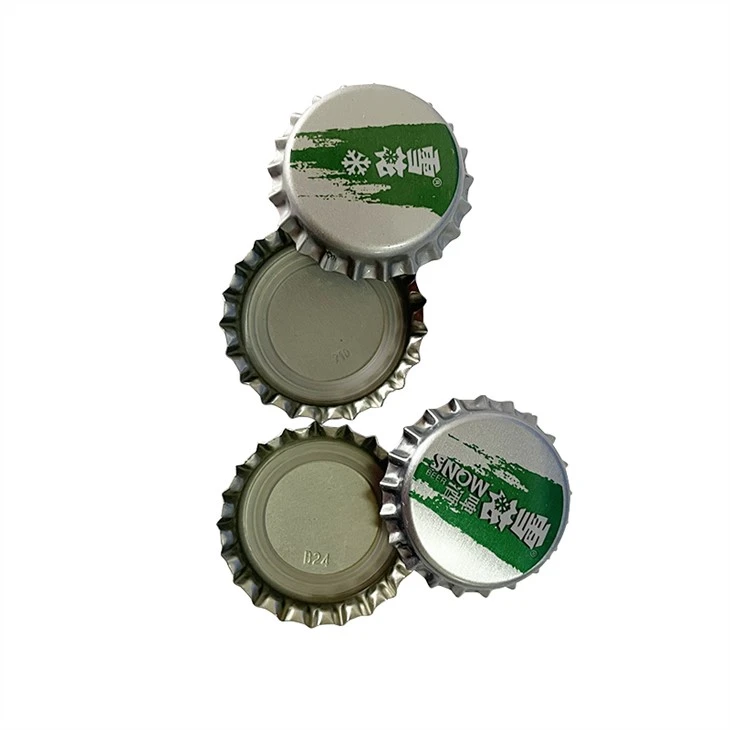

If you're in the market for high - quality bottle metal caps, we're here to help. We offer a wide range of Metal Screw Cap, Metal Bottle Capper, and Metal Cap Bottle options to meet your specific needs. Contact us today to discuss your requirements and start a procurement negotiation. We're looking forward to working with you!
References
- "Measurement Techniques for Small Objects", Industrial Measurement Handbook
- "Bottle Packaging and Closure Design", Packaging Science Journal