

As a seasoned metal cap supplier, I've witnessed firsthand the challenges that come with preventing metal caps from rusting. Rust not only mars the appearance of these caps but can also compromise their functionality and durability. In this blog post, I'll share some effective strategies to keep your metal caps rust - free, ensuring they maintain their quality and appeal.
Understanding the Causes of Rust
Before delving into prevention methods, it's crucial to understand what causes rust. Rust is the result of a chemical reaction known as oxidation, which occurs when iron or steel (common materials for metal caps) comes into contact with oxygen and water. This reaction forms iron oxide, which is what we commonly refer to as rust. Factors such as humidity, exposure to saltwater, and the presence of certain chemicals can accelerate the rusting process.
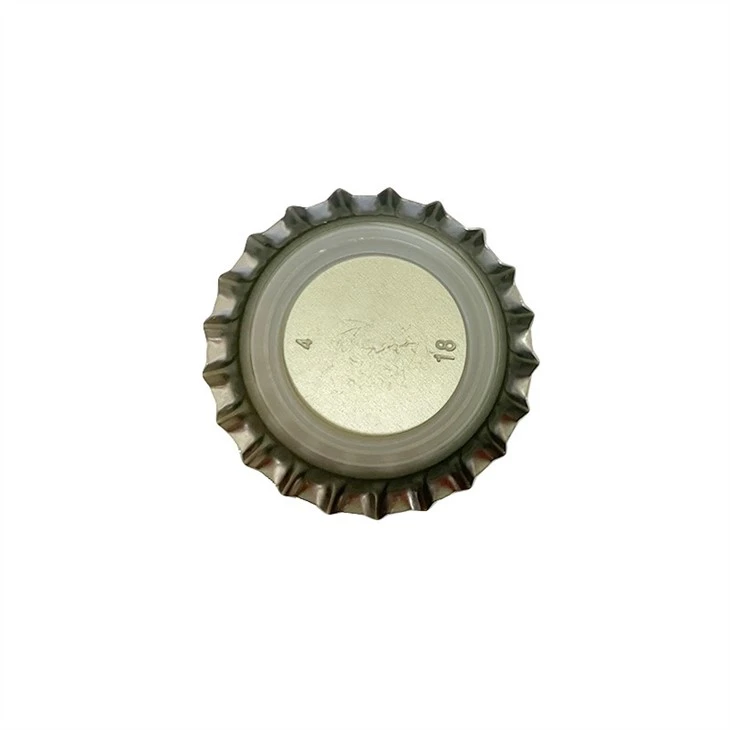

Selecting the Right Materials
One of the most fundamental steps in preventing rust is choosing the appropriate materials for your metal caps. Stainless steel is an excellent choice as it contains chromium, which forms a protective layer on the surface of the metal, preventing oxygen from reaching the iron and thus inhibiting rust formation. Aluminum is another option; it forms a natural oxide layer that protects it from corrosion.
When you're in the market for high - quality metal caps, you can explore our Metal Screw Cap collection. These caps are crafted from premium materials, selected for their resistance to rust and long - lasting performance.
Surface Treatments
Applying surface treatments is an effective way to enhance the rust - resistance of metal caps.
Galvanization
Galvanization involves coating the metal cap with a layer of zinc. Zinc is more reactive than iron, so when the cap is exposed to oxygen and water, the zinc corrodes instead of the iron. This sacrificial protection can significantly extend the lifespan of the metal cap. There are two main methods of galvanization: hot - dip galvanizing and electro - galvanizing. Hot - dip galvanizing provides a thicker and more durable zinc coating, while electro - galvanizing offers a thinner, more uniform coating.
Powder Coating
Powder coating is a popular surface treatment that involves applying a dry powder to the metal cap and then baking it to form a hard, protective finish. This finish acts as a barrier between the metal and the environment, preventing moisture and oxygen from reaching the surface. Powder coating is available in a wide range of colors and finishes, allowing you to customize the appearance of your metal caps while protecting them from rust.
Painting
A simple yet effective way to prevent rust is by painting the metal caps. Paint creates a physical barrier that shields the metal from moisture and oxygen. When choosing a paint, opt for one that is specifically formulated for metal surfaces and provides good adhesion and corrosion resistance. You can find a variety of paints in hardware stores, including enamel, epoxy, and acrylic paints.
Proper Storage
How you store your metal caps can have a significant impact on their rust - resistance.
Dry Environment
Store metal caps in a dry place with low humidity. High humidity levels provide the moisture necessary for rust to form. If possible, use a dehumidifier in the storage area to maintain a relative humidity of less than 50%.
Avoid Contact with Corrosive Substances
Keep metal caps away from substances that can cause corrosion, such as salt, acids, and alkalis. If the caps come into contact with these substances, clean them immediately with a mild detergent and water, and dry them thoroughly.
Separate Storage
Store metal caps separately to prevent them from rubbing against each other, which can damage the protective coatings and expose the metal to the environment. You can use individual containers or trays to keep the caps organized and protected.
Regular Maintenance
Regular maintenance is essential for keeping metal caps rust - free.
Inspection
Periodically inspect the metal caps for signs of rust or damage. If you notice any rust spots, remove them immediately using a wire brush or sandpaper. After removing the rust, apply a rust - inhibiting primer and a fresh coat of paint or finish to prevent further rusting.
Cleaning
Clean the metal caps regularly to remove dirt, dust, and other contaminants that can trap moisture and accelerate rust formation. Use a mild detergent and water to clean the caps, and dry them thoroughly with a soft cloth. Avoid using abrasive cleaners or scrubbers that can scratch the surface of the caps and damage the protective coatings.
Applications and Considerations
Metal caps are used in a variety of applications, each with its own set of considerations for rust prevention.
Metal Bottle Lid
For metal bottle lids, especially those used for food and beverage containers, it's important to ensure that the surface treatments and coatings are food - safe. Some surface treatments may release harmful substances when in contact with food or beverages, so always choose materials and treatments that comply with food safety regulations.
Metal Cap for Glass Bottle
When using metal caps for glass bottles, consider the compatibility of the cap with the glass. Some metal caps may cause scratching or damage to the glass surface, especially if they are not properly sized or if there is excessive friction during opening and closing. Additionally, ensure that the cap provides a tight seal to prevent leakage and keep the contents of the bottle fresh.
Conclusion
Preventing metal caps from rusting requires a combination of proper material selection, surface treatments, storage, and maintenance. By following the strategies outlined in this blog post, you can ensure that your metal caps remain rust - free and maintain their quality and functionality for years to come.
If you're in the market for high - quality, rust - resistant metal caps, we invite you to explore our product collections. Whether you need Metal Screw Cap, Metal Bottle Lid, or Metal Cap for Glass Bottle, we have the perfect solution for your needs. Contact us to discuss your requirements and start a procurement conversation. Our team of experts is ready to assist you in finding the best metal caps for your applications.
References
- "Corrosion Basics" by NACE International
- "Surface Finishing of Metals" by ASM International
- "Handbook of Corrosion Engineering" by Pierre R. Roberge


