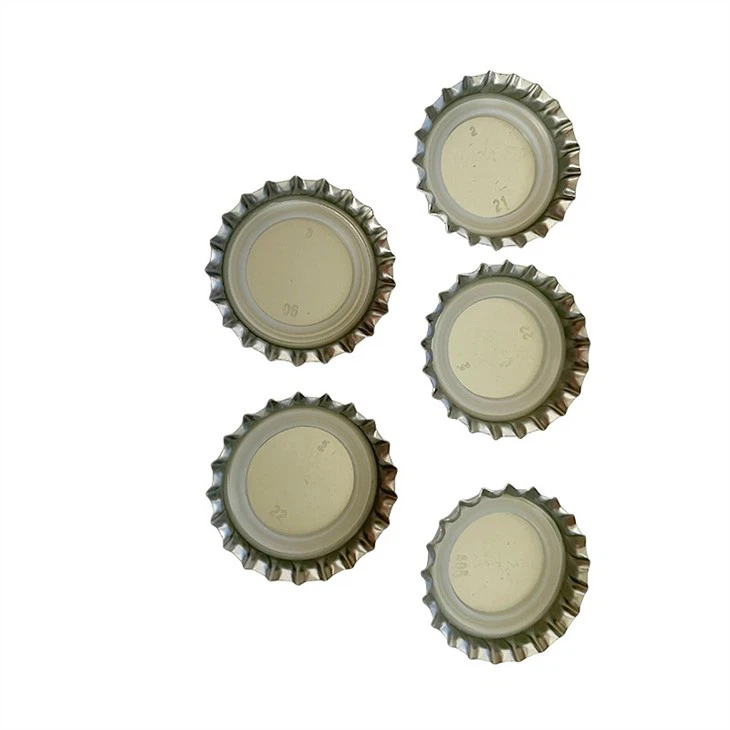
UTC Crown Caps are essential for sealing various bottles, especially in the beverage industry. As a UTC Crown Cap supplier, I've seen firsthand how proper storage can significantly extend the lifespan and maintain the quality of these caps. In this blog, I'll share some tips on how to store UTC Crown Caps properly.
1. Choose the Right Storage Environment
The first thing you need to do is find a suitable place to store your UTC Crown Caps. The environment plays a crucial role in preserving the integrity of the caps.
- Temperature: Crown Caps are sensitive to temperature changes. You should store them in a cool and stable environment. Ideally, the temperature should be between 10°C and 30°C (50°F - 86°F). Extreme heat can cause the caps to warp or the sealing material to degrade, while cold temperatures might make the caps brittle. For example, if you store them in a place where the temperature frequently goes above 35°C (95°F), the paint on the caps could start to peel off, affecting their appearance and functionality.
- Humidity: High humidity is a big no - no. Excessive moisture can lead to rusting, especially if your Crown Caps are made of metal. Aim for a relative humidity of around 40% - 60%. If the humidity is too high, you might notice that the caps start to develop a layer of rust, which can contaminate the bottles they're supposed to seal.
- Ventilation: Good ventilation is necessary to prevent the buildup of moisture and any potential fumes. A well - ventilated storage area helps keep the air fresh and reduces the risk of mold growth. You can use fans or open windows (if the outside environment is suitable) to ensure proper air circulation.
2. Use Appropriate Packaging
The way you package your UTC Crown Caps also matters a great deal.
- Original Packaging: When you receive the Crown Caps from the supplier (like me!), they usually come in well - designed packaging. Try to keep them in their original boxes or containers as much as possible. These packages are often designed to protect the caps from damage during transit and storage. They may have cushioning materials to prevent the caps from scratching each other.
- Sealed Containers: If you need to transfer the caps to other containers, make sure they are sealed properly. Plastic bins with tight - fitting lids are a good option. This helps keep out dust, moisture, and pests. You can label the containers with details such as the type of Crown Caps, the quantity, and the date of storage. For instance, if you have different types like Crown Cover, Beer Bottle Cap, or QR Code Crown Cap, it's important to keep them separate and clearly labeled.
3. Organize the Storage Space
A well - organized storage area makes it easier to access the Crown Caps when needed and also helps in maintaining their quality.
- Stacking: If you're storing the caps in boxes or containers, stack them carefully. Don't stack them too high to avoid crushing the caps at the bottom. You can use pallets to stack the boxes, and make sure they are stable. This way, you can maximize the use of your storage space without damaging the caps.
- Inventory Management: Keep a proper inventory of your Crown Caps. You can use a simple spreadsheet to record the quantity, type, and date of storage of each batch. This helps you keep track of the stock and ensures that you use the oldest caps first, following the first - in - first - out (FIFO) principle.
4. Protect from Physical Damage
Physical damage can render the Crown Caps useless. Here are some ways to protect them:
- Avoid Rough Handling: When moving or handling the Crown Caps, be gentle. Rough handling can cause dents, scratches, or deformities in the caps. Use appropriate equipment like forklifts or hand trucks when moving large quantities of boxes.
- Separate from Sharp Objects: Keep the Crown Caps away from sharp objects. Even a small scratch can compromise the sealing ability of the cap. If you have tools or other items with sharp edges in the storage area, make sure they are stored separately.
5. Regular Inspections
It's a good practice to conduct regular inspections of your stored Crown Caps.


- Check for Damage: Look for any signs of damage such as rust, dents, or scratches. If you find any damaged caps, remove them from the storage area immediately to prevent them from causing problems later.
- Monitor the Environment: Regularly check the temperature and humidity levels in the storage area. You can use a thermometer and a hygrometer for this purpose. If the conditions are not within the recommended range, take appropriate measures to adjust them.
Why Proper Storage is Important
Proper storage of UTC Crown Caps is not just about keeping them in good condition; it also has several other benefits.
- Cost - Efficiency: By storing the caps properly, you reduce the risk of damage and spoilage. This means you don't have to replace damaged caps as often, which can save you money in the long run.
- Product Quality: Well - stored Crown Caps ensure a proper seal on the bottles. This helps maintain the quality and freshness of the beverages inside the bottles, which is crucial for customer satisfaction.
- Compliance: In some industries, there are strict regulations regarding the storage and handling of packaging materials. By storing your Crown Caps properly, you can ensure compliance with these regulations.
Conclusion
Storing UTC Crown Caps properly is essential for maintaining their quality and functionality. By choosing the right storage environment, using appropriate packaging, organizing the storage space, protecting them from physical damage, and conducting regular inspections, you can ensure that your Crown Caps are in top - notch condition when it's time to use them.
If you're in the market for high - quality UTC Crown Caps, whether it's Crown Cover, Beer Bottle Cap, or QR Code Crown Cap, don't hesitate to reach out. We're here to provide you with the best products and advice on storage and usage. Let's start a conversation about your Crown Cap needs!
References
- Industry standards for Crown Cap storage and handling.
- Manufacturer's guidelines for UTC Crown Caps.