Metal closures are essential components in various industries, offering both functionality and aesthetic appeal. When it comes to working with metal closures, understanding how to use them with depth - stencil states is crucial for achieving high - quality results. As a metal closure supplier, I am here to share some insights on this topic.
Understanding Metal Closures
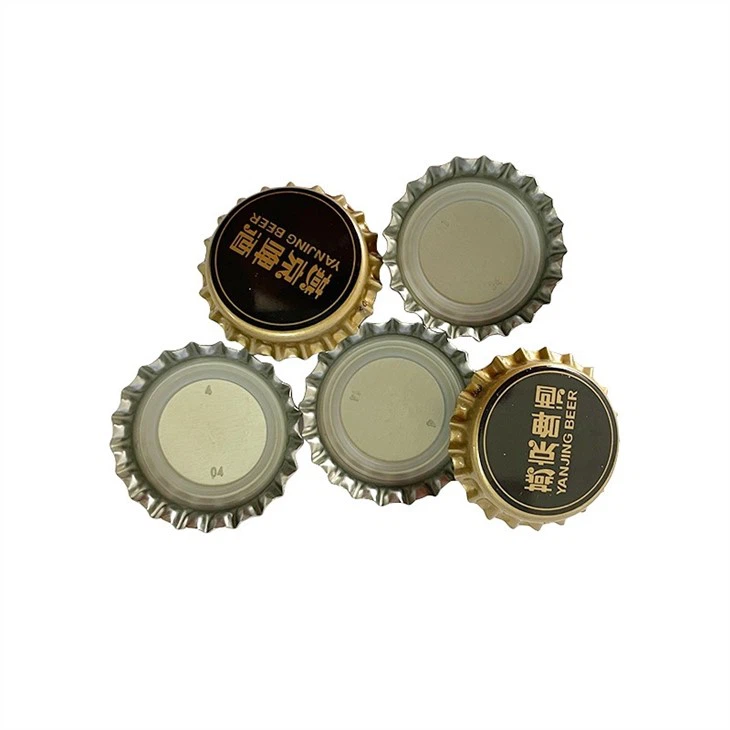
Before delving into depth - stencil states, let's briefly review what metal closures are. Metal closures come in a wide range of forms, including Metal Twist Off Cap, Corrugated Metal End Caps, and Metal Bottle Caps. These closures are used to seal containers, ensuring the contents remain fresh and protected. They are commonly found in the food and beverage, pharmaceutical, and cosmetic industries.
The Basics of Depth - Stencil States
Depth - stencil states are fundamental concepts in graphics programming, particularly in Metal, Apple's low - level graphics and compute framework. The depth buffer is used to determine which fragments of a 3D scene should be visible. It stores the depth (distance from the camera) of each pixel on the screen. The stencil buffer, on the other hand, is a mask that can be used to control where fragments are drawn.
When working with metal closures, depth - stencil states can be used in several ways. For example, if you are creating a 3D model of a metal closure for visualization or manufacturing purposes, you can use depth - stencil states to ensure that the different parts of the closure are rendered correctly.
Setting Up Depth - Stencil States for Metal Closures
1. Initializing the Depth - Stencil State
In Metal, you first need to create a MTLDepthStencilDescriptor object. This object allows you to configure the depth and stencil operations.
let depthStencilDescriptor = MTLDepthStencilDescriptor()
depthStencilDescriptor.depthCompareFunction =.less
depthStencilDescriptor.isDepthWriteEnabled = true
In the above code, we set the depth compare function to .less, which means that a fragment will be drawn only if its depth value is less than the value stored in the depth buffer. We also enable depth writing, which allows new depth values to be written to the depth buffer.
2. Configuring the Stencil Operations
The stencil operations are a bit more complex. You need to define operations for the stencil test pass, stencil test fail, and depth test fail.
depthStencilDescriptor.frontFaceStencil.stencilCompareFunction =.always
depthStencilDescriptor.frontFaceStencil.passOperation =.keep
depthStencilDescriptor.frontFaceStencil.failOperation =.keep
depthStencilDescriptor.frontFaceStencil.depthFailOperation =.keep

depthStencilDescriptor.backFaceStencil.stencilCompareFunction =.always
depthStencilDescriptor.backFaceStencil.passOperation =.keep
depthStencilDescriptor.backFaceStencil.failOperation =.keep
depthStencilDescriptor.backFaceStencil.depthFailOperation =.keep
In this example, we set the stencil compare function to .always, which means that the stencil test will always pass. The pass, fail, and depth fail operations are set to .keep, which means that the stencil value in the buffer will not be modified.
3. Creating the Depth - Stencil State Object
Once you have configured the MTLDepthStencilDescriptor, you can create a MTLDepthStencilState object.
let depthStencilState = device.makeDepthStencilState(descriptor: depthStencilDescriptor)!
Using Depth - Stencil States in Rendering Metal Closures
After creating the depth - stencil state, you need to use it in your rendering pipeline.
1. Setting the Depth - Stencil State in the Render Command Encoder
When you start encoding a render pass, you can set the depth - stencil state.
renderCommandEncoder.setDepthStencilState(depthStencilState)
2. Rendering the Metal Closure
Now you can render your metal closure model. As the fragments are processed, the depth and stencil tests will be applied according to the configuration you set earlier.
renderCommandEncoder.drawPrimitives(type:.triangle, vertexStart: 0, vertexCount: vertexCount)
Benefits of Using Depth - Stencil States with Metal Closures
1. Accurate Rendering
By using depth - stencil states, you can ensure that the different parts of the metal closure are rendered accurately. For example, if the closure has a complex shape with overlapping parts, the depth buffer will ensure that the correct parts are visible.
2. Masking and Isolation
The stencil buffer can be used to mask out certain areas of the closure during rendering. This can be useful for highlighting specific features or for creating a more realistic appearance.
3. Improved Performance
Proper use of depth - stencil states can also improve performance. By culling fragments that are not visible, you can reduce the number of fragments that need to be processed, which in turn can speed up the rendering process.
Considerations and Best Practices
1. Memory Management
The depth and stencil buffers consume memory. Make sure to manage this memory properly, especially if you are working with large - scale models or multiple closures.
2. Testing and Debugging
Always test your depth - stencil configurations thoroughly. Use debugging tools provided by Metal to visualize the depth and stencil buffers and ensure that they are working as expected.
3. Compatibility
Different Metal devices may have different capabilities when it comes to depth - stencil operations. Make sure to test your code on a variety of devices to ensure compatibility.
Conclusion
Using metal closures with depth - stencil states is a powerful technique that can enhance the quality and performance of your rendering. As a metal closure supplier, I understand the importance of providing high - quality products and the need for accurate visualization and manufacturing. By following the steps outlined in this blog post, you can effectively use depth - stencil states in your projects involving metal closures.
If you are interested in purchasing our metal closures, including Metal Twist Off Cap, Corrugated Metal End Caps, and Metal Bottle Caps, please feel free to contact us for a detailed discussion and procurement negotiation. We are committed to providing you with the best solutions for your needs.

References
- Apple Developer Documentation - Metal Framework
- Graphics Programming textbooks on 3D rendering and depth - stencil operations.