

In the world of packaging, metal closures play a crucial role, especially when it comes to framebuffers. As a trusted Metal Closure supplier, I am excited to share with you how to effectively use metal closures with framebuffers. This guide will cover everything from understanding the basics to practical application and benefits.

Understanding Metal Closures and Framebuffers
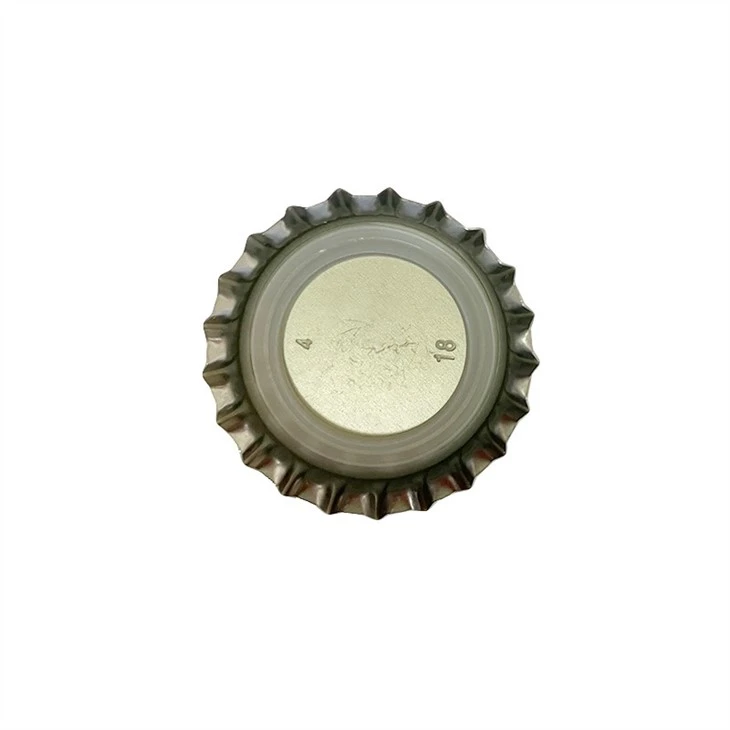
Before delving into the usage, it's essential to understand what metal closures and framebuffers are. Metal closures are typically used to seal containers, providing a secure and airtight environment. They come in various forms, such as Metal Cap for Glass Bottle, Metal Jar Cap, and Metal Caps For Glass Bottles. These closures are made from high - quality metals like aluminum or tinplate, which offer durability and resistance to corrosion.
Framebuffers, on the other hand, are a concept often associated with computer graphics. However, in the context of packaging, a framebuffer can be thought of as the area where the closure interacts with the container. It is the interface that needs to be properly managed to ensure a successful seal.
Benefits of Using Metal Closures with Framebuffers
There are several benefits to using metal closures with framebuffers. Firstly, metal closures provide excellent protection against external elements such as moisture, oxygen, and light. This is particularly important for products that are sensitive to these factors, like food, beverages, and pharmaceuticals. The airtight seal created by metal closures helps to preserve the quality and freshness of the contents inside the container.
Secondly, metal closures are aesthetically pleasing. They give a premium look to the packaging, which can enhance the brand image and attract consumers. Whether it's a glass bottle of fine wine or a jar of gourmet jam, a well - designed metal closure can make the product stand out on the shelves.
Another advantage is the recyclability of metal. In today's environmentally conscious world, using recyclable materials is not only a responsible choice but also a selling point for many consumers. Metal closures can be easily recycled, reducing the environmental impact of the packaging.
Preparing the Framebuffer
The first step in using metal closures with framebuffers is to prepare the framebuffer. This involves cleaning the area where the closure will be applied. Any dirt, debris, or residue on the framebuffer can prevent a proper seal. Use a clean, dry cloth to wipe the framebuffer and ensure it is free from contaminants.
It's also important to check the framebuffer for any damage or irregularities. A damaged framebuffer may not be able to form a tight seal with the metal closure. If there are any cracks or chips, the container may need to be replaced or repaired before proceeding.
Selecting the Right Metal Closure
Choosing the right metal closure is crucial for a successful application. Consider the size and shape of the container, as well as the type of product inside. For example, if you are packaging a carbonated beverage, you will need a closure that can withstand the pressure.
The liner of the metal closure is also an important factor. The liner is the part that comes into direct contact with the product and provides an additional layer of protection. There are different types of liners available, such as foam liners, pulp liners, and plastic liners. Each type has its own properties and is suitable for different applications. For food products, a food - grade liner is required to ensure safety.
Applying the Metal Closure
Once the framebuffer is prepared and the right metal closure is selected, it's time to apply the closure. There are different methods of applying metal closures, depending on the type of container and the production volume.
For small - scale operations, manual application may be sufficient. This involves placing the closure on the framebuffer and using a hand - held tool to tighten it. Make sure to apply even pressure around the circumference of the closure to ensure a uniform seal.
In large - scale production, automated machinery is often used. These machines can apply the closures quickly and accurately, ensuring consistent results. The automated process typically involves feeding the containers and closures into the machine, which then applies the closure with precision.
Quality Control
After applying the metal closure, it's important to conduct quality control checks. Inspect the seal to ensure it is tight and there are no visible gaps. You can perform a simple pressure test by squeezing the container gently. If there is any leakage, the closure may need to be reapplied or adjusted.
Check the alignment of the closure on the framebuffer. A misaligned closure can not only affect the appearance but also the seal. Make sure the closure is centered and sits evenly on the framebuffer.
Troubleshooting Common Issues
Sometimes, you may encounter issues when using metal closures with framebuffers. One common problem is a loose seal. This can be caused by a variety of factors, such as an improper closure size, a damaged framebuffer, or incorrect application. If you notice a loose seal, try tightening the closure further or replacing it with a new one.
Another issue is rust or corrosion on the metal closure. This can occur if the metal is exposed to moisture for an extended period. To prevent rust, store the closures in a dry environment and use a protective coating if necessary.
Maintenance and Storage
Proper maintenance and storage of metal closures are important to ensure their performance. Store the closures in a clean, dry place away from direct sunlight and moisture. Avoid stacking the closures too tightly, as this can cause damage.
Regularly inspect the closures for any signs of damage or corrosion. If you notice any issues, remove the damaged closures from the inventory to prevent them from being used in the packaging process.
Conclusion
Using metal closures with framebuffers is a reliable and effective way to package products. By understanding the basics, preparing the framebuffer, selecting the right closure, and following the proper application and quality control procedures, you can ensure a successful seal and protect the contents of your containers.
If you are interested in purchasing high - quality metal closures for your packaging needs, we invite you to contact us for a detailed discussion. Our team of experts can help you select the right closures and provide guidance on their proper use. We are committed to providing the best solutions for your packaging requirements.
References
- Packaging Machinery Manufacturers Institute (PMMI). "Best Practices for Packaging Sealing."
- Metal Packaging Manufacturers Association. "The Benefits of Metal Packaging."
- International Society of Beverage Technologists. "Sealing Technologies for Beverage Containers."





