Color stability and capping tightness are two crucial aspects when it comes to metal bottle cappers used in ink bottling. As a reliable metal bottle capper supplier, I understand the significance of these requirements and how they impact the overall quality of the ink bottling process. In this blog, I will delve into the details of color stability and capping tightness requirements, and explain why our metal bottle cappers are the ideal choice for ink bottling applications.
Color Stability Requirements
Color stability is of utmost importance in ink bottling. The ink needs to maintain its original color throughout its shelf - life, and any change in color can lead to customer dissatisfaction and potential product returns. The metal bottle capper plays a role in ensuring color stability in several ways.
Firstly, the material of the metal cap should be inert and non - reactive with the ink. Some metals may react with the chemicals in the ink over time, leading to discoloration. Our metal bottle cappers are designed to use high - quality metals that have been carefully selected for their chemical stability. For example, we often use stainless steel, which is resistant to corrosion and chemical reactions. This ensures that the ink inside the bottle remains unaffected by the cap material, preserving its color integrity.
Secondly, the coating on the metal cap can also impact color stability. A proper coating can act as an additional barrier between the metal and the ink. Our caps are coated with food - grade and ink - friendly coatings that prevent any unwanted interactions. The coating process is carefully controlled to ensure uniform coverage, which is essential for consistent color protection.
Another factor related to color stability is the capping process itself. A well - designed metal bottle capper should apply the cap evenly and without causing any damage to the bottle or the cap. If the capping process is too rough, it can cause micro - cracks in the cap or the bottle, allowing air and moisture to enter. Exposure to air and moisture can accelerate the oxidation process of the ink, leading to color changes. Our metal bottle cappers are equipped with advanced technology that ensures gentle yet secure capping, minimizing the risk of damage and maintaining color stability.
We offer a variety of metal caps that meet different color stability requirements. For instance, our Metal Milk Bottle Tops are designed with a special sealing mechanism and a high - quality coating that provides excellent protection for the ink. These caps are not only functional but also aesthetically pleasing, which can enhance the overall appearance of the bottled ink.
Capping Tightness Requirements
Capping tightness is equally important in ink bottling. A loose cap can lead to leakage, which is not only wasteful but also a safety hazard. On the other hand, an overly tight cap can be difficult to open for the end - user and may also cause damage to the bottle or the cap during the opening process.
The ideal capping tightness should be within a specific range. It should be tight enough to prevent leakage but not so tight that it becomes impractical. Our metal bottle cappers are calibrated to achieve the optimal capping tightness. We use torque control systems that can be adjusted according to the type of bottle and cap. This ensures that each bottle is capped with the right amount of force, providing a secure seal without over - tightening.
The design of the cap also plays a significant role in capping tightness. Our Round Metal Cap has a precision - engineered thread design that allows for a snug fit on the bottle. The threads are carefully machined to ensure smooth engagement and disengagement, making it easy to open and close the bottle while maintaining a tight seal.
In addition, the material and thickness of the cap can affect capping tightness. Our caps are made from high - strength metals that can withstand the pressure applied during the capping process without deforming. The appropriate thickness of the cap ensures that it can provide a reliable seal. For example, our Screw Caps Metal are made from a specific grade of metal with the right thickness, which offers excellent tightness and durability.
We understand that different ink bottling applications may have different capping tightness requirements. Some inks may be more viscous and require a looser cap to prevent spillage during opening, while others may be more volatile and need a tighter seal. Our metal bottle cappers can be customized to meet these specific needs. Our technical team can work closely with customers to determine the best capping parameters based on the characteristics of the ink and the bottle.
Why Choose Our Metal Bottle Cappers
As a metal bottle capper supplier, we have a long - standing reputation for providing high - quality products and excellent customer service. Our metal bottle cappers are designed and manufactured with the latest technology and strict quality control standards.
We offer a wide range of metal caps, including Metal Milk Bottle Tops, Round Metal Cap, and Screw Caps Metal, which can meet different requirements for color stability and capping tightness. Our products are suitable for various ink bottling applications, from small - scale artisanal ink producers to large - scale industrial manufacturers.

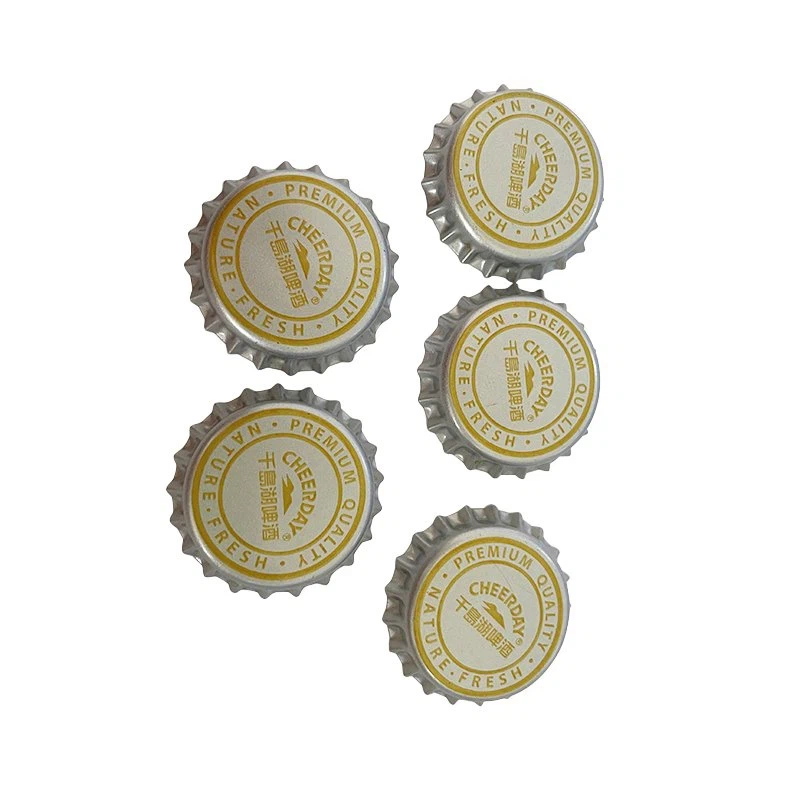
Our metal bottle cappers are easy to operate and maintain. They are equipped with user - friendly interfaces and require minimal training. We also provide comprehensive after - sales service, including technical support and spare parts supply.
If you are in the ink bottling industry and are looking for a reliable metal bottle capper that can meet your color stability and capping tightness requirements, we would love to hear from you. Contact us today to discuss your specific needs and explore how our metal bottle cappers can enhance the quality and efficiency of your ink bottling process.
References
- Smith, J. (2020). Ink Packaging: Best Practices for Color Preservation. Journal of Ink Technology, 15(2), 34 - 42.
- Johnson, A. (2019). Capping Technology in the Packaging Industry. Packaging Science Review, 12(3), 56 - 65.
- Brown, C. (2021). The Impact of Metal Caps on Ink Quality. Ink Manufacturing Magazine, 20(4), 78 - 85.