Hey there! As a supplier of Red Crown Cork, I've had my fair share of experience dealing with the ins and outs of using these corks in industrial settings. So, I thought I'd share some of the key considerations you should keep in mind if you're thinking about using Red Crown Cork in your industrial operations.
Compatibility with the Product
First off, you gotta think about whether Red Crown Cork is compatible with the product you're working with. Different products have different chemical compositions, and some might react with the cork material. For example, if you're dealing with acidic liquids, you need to make sure the cork can withstand the acid without degrading. Otherwise, it could contaminate your product or affect its quality.

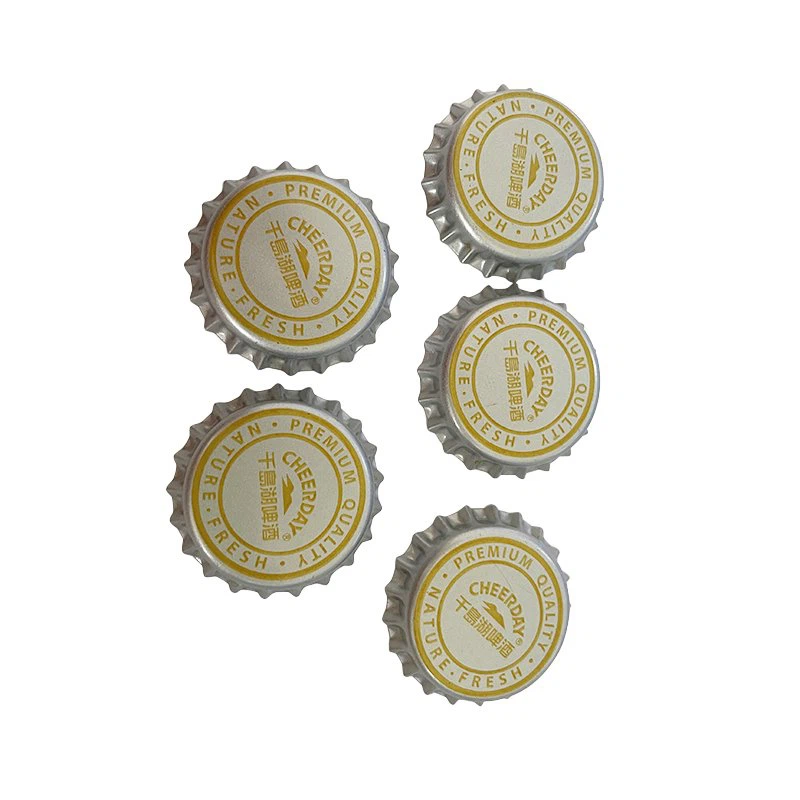
Let's say you're in the beverage industry. You're bottling a new line of craft beers. You need to ensure that the Red Crown Cork won't impart any off - flavors to the beer. The cork should be inert enough not to react with the hops, yeast, or other ingredients in the beer. This is crucial for maintaining the integrity of your product and keeping your customers happy.
Sealing Performance
One of the main reasons you'd choose Red Crown Cork in an industrial setting is for its sealing capabilities. A good seal is essential to prevent leakage, oxidation, and contamination. You need to consider the pressure requirements of your application. If you're bottling carbonated beverages, the cork has to be able to withstand the internal pressure without popping off.
For instance, if you're using Crown Corks 32 mm for a fizzy soda, the cork needs to create an airtight seal to keep the carbonation in. A poor seal can lead to flat soda, which is a big no - no for consumers. You also have to think about how the cork will perform over time. Will it maintain its seal during storage and transportation? You might want to conduct some tests to ensure long - term sealing performance.
Durability and Longevity
Industrial settings can be tough on materials. Red Crown Cork needs to be durable enough to handle the rigors of your production process. This includes things like handling, filling, and capping machinery. The cork should be able to withstand the mechanical stress without breaking or crumbling.
Let's take the wine industry as an example. When bottling wine, the cork is inserted into the bottle under pressure. It needs to be strong enough not to split or break during this process. Additionally, wine can be stored for years, so the cork has to maintain its integrity over a long period. A weak cork can lead to premature oxidation of the wine, ruining its flavor and aroma.
Regulatory Compliance
Compliance with industry regulations is a must. Depending on your industry, there may be specific standards that Red Crown Cork needs to meet. For example, in the food and beverage industry, the cork must be made from materials that are safe for contact with food. It should not contain any harmful substances that could leach into the product.
You also need to consider environmental regulations. Some industries are moving towards more sustainable packaging solutions. If this is the case, you might want to look for Red Crown Cork that is made from renewable or recycled materials. This not only helps you meet regulatory requirements but also shows your commitment to environmental responsibility.
Cost - Effectiveness
Cost is always a factor in industrial settings. You need to balance the quality of the Red Crown Cork with its cost. While you don't want to skimp on quality, you also don't want to overspend. You should compare the prices of different suppliers and consider the long - term costs.
For example, a cheaper cork might seem like a good deal at first, but if it has poor sealing performance or durability, you could end up spending more in the long run due to product losses or quality issues. On the other hand, a more expensive cork might offer better performance and save you money in the long term. You need to do a cost - benefit analysis to determine the most cost - effective option for your business.
Ease of Use
In an industrial setting, time is money. You want a cork that is easy to use with your existing machinery. The cork should be easy to handle, insert, and remove. If your capping machine is designed for a specific size and shape of cork, you need to make sure the Red Crown Cork you choose is compatible.
For instance, if you're using Crown Corks 26 mm in a high - speed bottling line, the corks should feed smoothly into the capping machine. Any issues with the cork's shape or size can cause jams in the machinery, leading to production delays and increased costs.
Storage and Handling
Proper storage and handling of Red Crown Cork are crucial to maintain its quality. Cork is a natural material, and it can be affected by factors like humidity, temperature, and light. You need to store the cork in a cool, dry place away from direct sunlight.
Excessive humidity can cause the cork to absorb moisture, which can lead to mold growth and degradation. On the other hand, low humidity can make the cork dry and brittle, reducing its sealing performance. You also need to handle the cork carefully during transportation and storage to avoid damage.
Customization Options
Depending on your specific needs, you might want to consider customization options for Red Crown Cork. This could include things like printing your logo or brand information on the cork. Customization can help you brand your products and make them stand out on the shelf.
You can also customize the size and shape of the cork to fit your unique packaging requirements. For example, if you have a special - shaped bottle, you might need a custom - sized Crown Cork Stopper. Working with a supplier who can offer customization options can give you a competitive edge in the market.
Supplier Reliability
Finally, you need to choose a reliable supplier for your Red Crown Cork. A good supplier will be able to provide you with high - quality cork on time and in the right quantity. They should also offer good customer service and be willing to work with you to solve any problems that may arise.
You can look at the supplier's reputation in the industry, read customer reviews, and ask for references. A reliable supplier will have a track record of delivering consistent quality and meeting customer needs.
If you're interested in using Red Crown Cork in your industrial setting, I'd love to have a chat with you. We can discuss your specific requirements and see how we can provide the best solution for your business. Whether you need help with choosing the right size, ensuring regulatory compliance, or getting the most cost - effective option, I'm here to assist.
References
- "Packaging Materials and Their Impact on Product Quality" - Journal of Industrial Packaging
- "Sealing Performance of Cork in Beverage Bottles" - International Journal of Food Science and Technology