When it comes to packaging, the choice between metal caps and plastic caps for bottles is a decision that impacts not only the aesthetics but also the functionality, durability, and environmental footprint of the product. As a supplier of [Metal Cap for Bottle], I've witnessed firsthand the unique characteristics and advantages of metal caps. In this blog, I'll explore the differences between metal and plastic caps, shedding light on why metal caps might be the superior choice for your bottling needs.
Material Properties
The most fundamental difference between metal and plastic caps lies in their material composition. Metal caps are typically made from aluminum or tinplate, both of which are known for their strength and durability. Aluminum is lightweight, corrosion-resistant, and has excellent barrier properties, making it ideal for protecting the contents of the bottle from oxygen, moisture, and light. Tinplate, on the other hand, is a steel sheet coated with a thin layer of tin, providing a similar level of protection while also offering a classic, vintage look.
Plastic caps, on the other hand, are made from a variety of polymers, such as polyethylene (PE), polypropylene (PP), and polyethylene terephthalate (PET). These materials are lightweight, flexible, and relatively inexpensive to produce. However, they are also more prone to scratching, cracking, and chemical degradation over time, especially when exposed to heat, sunlight, or certain chemicals.
Aesthetics and Branding
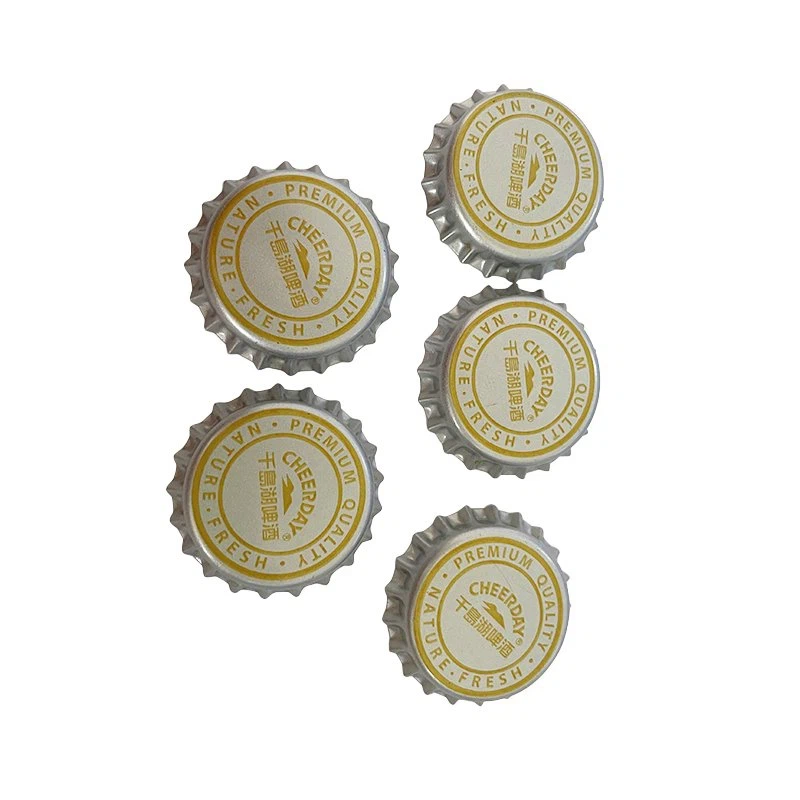
One of the key advantages of metal caps is their ability to enhance the visual appeal of a product. Metal caps offer a premium, high-end look that can elevate the brand image and make the product stand out on the shelf. They can be easily customized with embossing, debossing, printing, or foil stamping to create a unique and eye-catching design that reflects the brand's identity.
In contrast, plastic caps are more limited in terms of their aesthetic options. While they can be colored or printed, the level of detail and quality is often not as high as that of metal caps. Additionally, plastic caps can appear cheap or flimsy, which may not be suitable for high-end or luxury products.
Functionality and Performance
In terms of functionality, metal caps offer several advantages over plastic caps. Metal caps provide a tight seal that helps to preserve the freshness and quality of the contents of the bottle. They are also less likely to leak or come loose, even under high pressure or extreme temperature conditions. This makes them ideal for products that require a high level of protection, such as carbonated beverages, alcoholic beverages, and pharmaceuticals.
Plastic caps, on the other hand, are more prone to leakage and may not provide as tight of a seal as metal caps. They are also more likely to deform or break under stress, which can compromise the integrity of the package. However, plastic caps are often easier to open and close, which can be an advantage for consumers.
Environmental Impact
In today's environmentally conscious world, the environmental impact of packaging materials is an important consideration. Metal caps are highly recyclable and can be reused multiple times without losing their quality or performance. Aluminum, in particular, is one of the most recycled materials in the world, with a recycling rate of over 70%. This makes metal caps a more sustainable choice compared to plastic caps, which are often made from non-renewable resources and have a lower recycling rate.
Plastic caps, on the other hand, are more difficult to recycle due to their complex composition and the presence of additives and contaminants. Many plastic caps end up in landfills or the ocean, where they can take hundreds of years to decompose and cause harm to the environment and wildlife.
Cost
Cost is another important factor to consider when choosing between metal and plastic caps. Metal caps are generally more expensive than plastic caps due to the higher cost of raw materials and the more complex manufacturing process. However, the cost of metal caps can be offset by their longer lifespan, better performance, and higher perceived value, which can lead to increased sales and brand loyalty.
Plastic caps, on the other hand, are more affordable and can be a cost-effective option for products with a lower price point or a high volume of production. However, the lower cost of plastic caps may come at the expense of quality and durability, which can ultimately lead to higher costs in the long run.
Applications
The choice between metal and plastic caps also depends on the specific application and the type of product being packaged. Metal caps are commonly used for products that require a high level of protection, such as carbonated beverages, alcoholic beverages, pharmaceuticals, and cosmetics. They are also popular for products that have a premium or luxury image, such as wine, spirits, and high-end perfumes.
Plastic caps, on the other hand, are more commonly used for products that do not require a high level of protection, such as water, juice, and other non-carbonated beverages. They are also popular for products that have a lower price point or a high volume of production, such as household cleaning products and personal care products.

Conclusion
In conclusion, the choice between metal and plastic caps for bottles depends on a variety of factors, including material properties, aesthetics, functionality, environmental impact, cost, and application. While plastic caps may be more affordable and easier to produce, metal caps offer several advantages in terms of strength, durability, aesthetics, and environmental sustainability. As a supplier of [Metal Cap for Bottle], I believe that metal caps are the superior choice for many bottling applications, especially those that require a high level of protection and a premium brand image.
If you're interested in learning more about our [Metal Cap for Bottle] products, please visit our website at [Website URL]. We offer a wide range of metal caps, including [Metal Cap for Glass Bottle Crown], [Round Metal Cap], and [Corrugated Metal End Caps], all of which can be customized to meet your specific needs and requirements. Contact us today to discuss your packaging needs and explore how our metal caps can enhance the quality and appeal of your products.
References
- "The Benefits of Metal Packaging." Metal Packaging Manufacturers Association.
- "Plastic Packaging: The Facts." PlasticsEurope.
- "Sustainable Packaging: A Guide for Businesses." World Wildlife Fund.