In the complex ecosystem of forests, every component plays a unique and crucial role. Among these, crown cover, the layer formed by the branches and leaves of trees, stands out as a significant protector against ultraviolet (UV) radiation. As a supplier of Crown Cover products, I have witnessed firsthand the importance of this natural phenomenon and its implications for various aspects of forest life. In this blog, we will explore the role of crown cover in protecting against UV radiation in forests and how our Crown Cover products can contribute to related industries.
Understanding UV Radiation and Its Effects
UV radiation is a part of the electromagnetic spectrum emitted by the sun. It is divided into three types: UVA, UVB, and UVC. UVC is mostly absorbed by the ozone layer and does not reach the Earth's surface. However, UVA and UVB can penetrate the atmosphere and have both beneficial and harmful effects on living organisms.
On one hand, UV radiation is essential for processes such as vitamin D synthesis in humans and some animals. On the other hand, excessive exposure to UV radiation can cause damage to DNA, proteins, and other cellular components. In plants, it can lead to reduced photosynthesis, growth inhibition, and increased susceptibility to diseases and pests. In animals, it can cause skin cancer, cataracts, and immune system suppression.
The Role of Crown Cover in UV Protection
Crown cover acts as a natural shield against UV radiation in forests. The leaves and branches of trees absorb, reflect, and scatter UV radiation, reducing the amount that reaches the forest floor. This protection is crucial for the survival and growth of understory plants, which are often more sensitive to UV radiation than canopy trees.
Absorption
Leaves contain various pigments, such as chlorophyll, carotenoids, and flavonoids, which can absorb UV radiation. Chlorophyll mainly absorbs light in the visible spectrum for photosynthesis, but it also has some absorption in the UV region. Carotenoids and flavonoids, on the other hand, are specifically adapted to absorb UV radiation and protect the plant from its harmful effects. By absorbing UV radiation, these pigments prevent it from reaching the sensitive cellular components of the plant.
Reflection and Scattering
The surface of leaves can reflect and scatter UV radiation. The wax layer on the leaf surface, for example, can reflect a significant amount of UV radiation. Additionally, the irregular shape and arrangement of leaves can cause scattering, which further reduces the intensity of UV radiation reaching the forest floor. This reflection and scattering mechanism helps to distribute the UV radiation more evenly throughout the forest canopy, reducing the risk of excessive exposure in any one area.
Shading
The most obvious way that crown cover protects against UV radiation is by providing shade. The dense canopy of trees blocks a large portion of the direct sunlight, including UV radiation, from reaching the forest floor. This shading effect is especially important during the peak hours of UV radiation, such as midday. Understory plants and animals can take advantage of this shaded environment to avoid excessive UV exposure.
Benefits of Crown Cover UV Protection in Forests
The protection provided by crown cover against UV radiation has numerous benefits for the forest ecosystem.
Plant Growth and Survival
Understory plants rely on the protection of crown cover to survive and grow. Without this protection, they would be exposed to high levels of UV radiation, which could damage their photosynthetic machinery and reduce their ability to produce energy. By reducing UV radiation, crown cover allows understory plants to thrive, contributing to the overall biodiversity of the forest.
Soil Health
UV radiation can have a negative impact on soil health by breaking down organic matter and reducing the activity of soil microorganisms. Crown cover helps to protect the soil from UV radiation, maintaining the integrity of the soil ecosystem. This, in turn, supports the growth of plants by providing them with essential nutrients and a stable environment.
Animal Habitat
Many forest animals rely on the shaded environment provided by crown cover to avoid UV radiation. For example, small mammals, birds, and insects seek shelter under the trees during the day to protect themselves from the sun's harmful rays. Crown cover also provides a suitable habitat for these animals by offering food, nesting sites, and protection from predators.
Crown Cover Products and Their Relevance
As a Crown Cover supplier, we offer a range of products that are inspired by the natural protection provided by forest crown cover. Our products are designed to provide similar UV protection in various applications, such as agriculture, horticulture, and outdoor recreation.

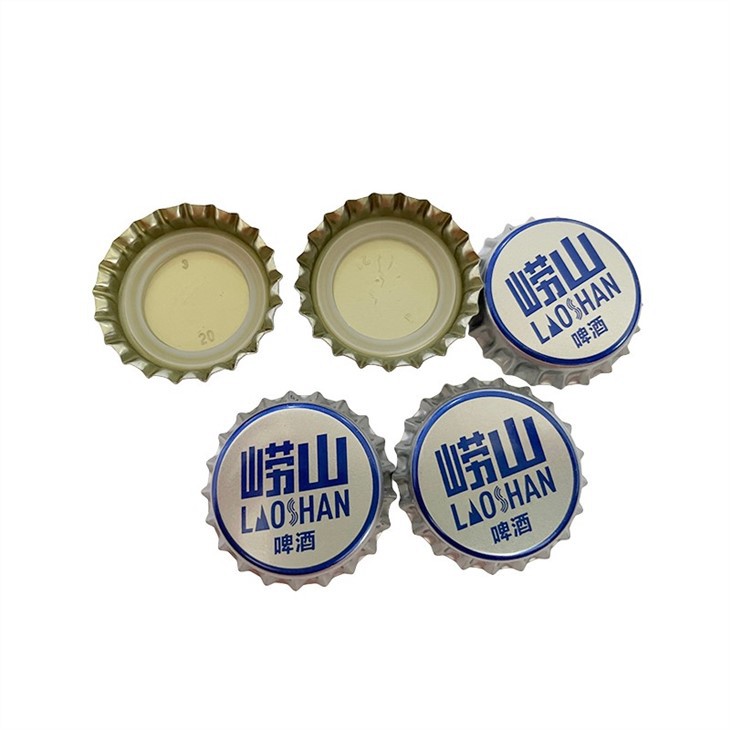
Metal Crown Cap
Our Metal Crown Cap products are made from high-quality metal materials that offer excellent UV resistance. These caps are commonly used in the beverage industry to seal bottles and protect the contents from UV radiation. The metal material reflects and absorbs UV radiation, preventing it from reaching the liquid inside the bottle. This helps to preserve the quality and flavor of the beverage, ensuring a longer shelf life.
Beer Crown Cap
Beer is particularly sensitive to UV radiation, which can cause it to develop a "skunky" flavor. Our Beer Crown Cap products are specifically designed to provide maximum UV protection for beer bottles. They are made from a combination of materials that absorb and reflect UV radiation, preventing it from interacting with the hops in the beer. This helps to maintain the fresh and flavorful taste of the beer, even when exposed to sunlight.
UTC Crown Cap
Our UTC Crown Cap products are suitable for a wide range of applications, including food and beverage packaging, pharmaceuticals, and cosmetics. These caps are designed to meet the highest standards of UV protection and product safety. They are made from materials that are resistant to UV radiation, moisture, and oxygen, ensuring the long-term preservation of the product inside the container.
Contact Us for Procurement and Collaboration
If you are interested in our Crown Cover products or would like to discuss potential procurement opportunities, please feel free to contact us. We are committed to providing high-quality products and excellent customer service. Our team of experts is available to answer any questions you may have and to help you find the right solution for your needs.
References
- Bornman, J. F., Teramura, A. H., & Caldwell, M. M. (1997). UV-B radiation and terrestrial plants. Physiologia Plantarum, 100(1), 271-287.
- Caldwell, M. M., Flint, S. D., & Searles, P. S. (2003). How UV-B radiation and climate change interact to affect terrestrial ecosystems. Plant, Cell & Environment, 26(1), 133-144.
- Li, X., & Yang, G. (2010). Effects of UV-B radiation on plants: From genes to ecosystems. Journal of Integrative Plant Biology, 52(10), 891-906.
- Rozema, J., Björn, L. O., Callaghan, T. V., & Paul, N. D. (2002). UV-B radiation effects on terrestrial plants in Antarctica, the Arctic, and alpine regions. Photochemistry and Photobiology, 76(6), 618-625.