As a supplier of Crown Cover, I've always been intrigued by the relationship between crown cover and altitude. Crown cover, which refers to the proportion of the ground area that is covered by the vertical projection of the crowns of trees or other vegetation, is a crucial ecological parameter. It affects various aspects of the ecosystem, such as microclimate, biodiversity, and soil erosion. In this blog, I'll explore how crown cover changes with altitude and what implications this has for our business and the environment.
The General Trend of Crown Cover with Altitude
In general, crown cover tends to decrease with increasing altitude. This is mainly due to several environmental factors that become more challenging for plant growth as altitude rises.
Temperature
One of the most significant factors is temperature. As altitude increases, the average temperature decreases. Most plants have an optimal temperature range for growth, and as the temperature drops below this range, their metabolic processes slow down. Photosynthesis, the process by which plants convert sunlight into energy, is particularly sensitive to temperature. At lower temperatures, the enzymes involved in photosynthesis become less active, reducing the plant's ability to produce the energy needed for growth and development. This leads to smaller and fewer plants, resulting in a lower crown cover.
Precipitation
Precipitation patterns also change with altitude. In some mountainous regions, precipitation may increase with altitude up to a certain point, known as the orographic effect. However, beyond this point, precipitation may decrease again. Insufficient precipitation can limit plant growth as water is essential for photosynthesis, nutrient uptake, and maintaining turgor pressure in plant cells. Without enough water, plants may wilt, grow stunted, or even die, which in turn reduces crown cover.
Soil Conditions
Soil quality and depth also vary with altitude. At higher altitudes, the soil is often shallower, less fertile, and more prone to erosion. The cold temperatures and short growing seasons at high altitudes slow down the decomposition of organic matter, resulting in less nutrient-rich soil. Additionally, the steep slopes at high altitudes can lead to rapid runoff and soil erosion, further depleting the soil of nutrients. These poor soil conditions make it difficult for plants to establish and grow, contributing to the decrease in crown cover.
Wind
Wind speed generally increases with altitude. Strong winds can have a detrimental effect on plant growth. They can cause physical damage to plants, such as breaking branches or uprooting trees. Wind also increases evapotranspiration, which can lead to water stress in plants. To adapt to windy conditions, plants may develop smaller leaves or a more compact growth form, which reduces their crown area and overall crown cover.
Exceptions to the General Trend
While the general trend is a decrease in crown cover with altitude, there are some exceptions.
Microclimates
Microclimates can play a significant role in modifying the relationship between crown cover and altitude. For example, in sheltered valleys or on the leeward side of mountains, the local climate may be more favorable for plant growth compared to the surrounding areas at the same altitude. These microclimates may have higher temperatures, lower wind speeds, and more favorable soil conditions, allowing for a higher crown cover.
Specialized Plant Communities
Certain plant species are adapted to high - altitude environments and can form dense stands, resulting in relatively high crown cover at high altitudes. For instance, alpine meadows are characterized by a diverse community of low - growing plants that can tolerate the harsh conditions at high altitudes. These plants often have specialized adaptations, such as thick waxy coatings on their leaves to reduce water loss and the ability to grow in nutrient - poor soils.
Implications for Our Crown Cover Supply Business
Understanding how crown cover changes with altitude is important for our business as a Crown Cover supplier.
Product Design and Adaptation
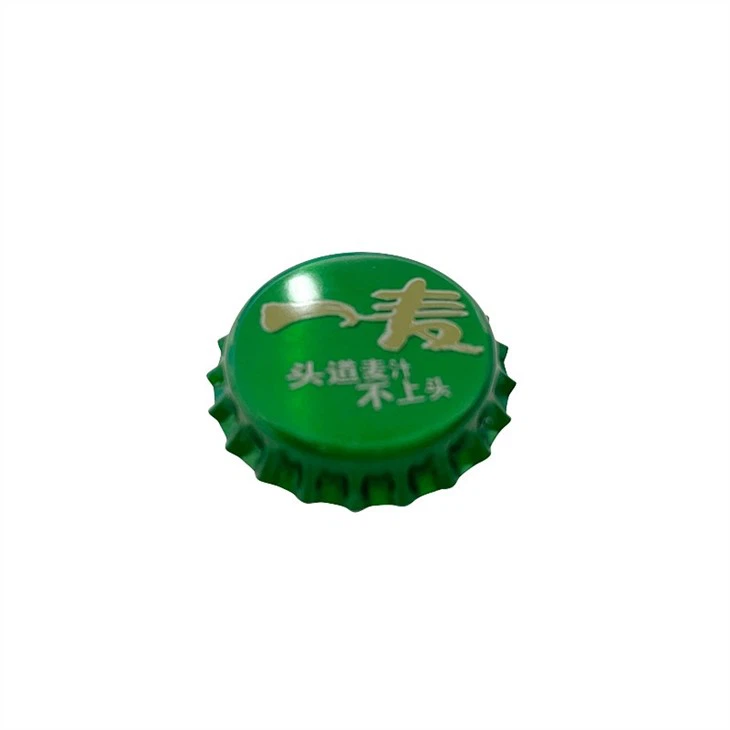
If our crown covers are used in areas with different altitudes, we need to consider the environmental conditions at those altitudes. For example, in high - altitude areas with strong winds and low temperatures, we may need to design crown covers that are more durable and resistant to extreme weather conditions. Our Metal Crown Cap could be a suitable option as it is generally more robust compared to other materials.

Market Segmentation
We can segment our market based on altitude. Areas at lower altitudes may have different requirements for crown covers compared to high - altitude areas. For example, in low - altitude areas with a more lush vegetation cover, customers may be more interested in aesthetically pleasing crown covers that blend in with the natural environment. On the other hand, in high - altitude areas, functionality and durability may be the primary concerns. Our Beer Crown Cap and UTC Crown Cap can be tailored to meet the specific needs of different market segments.
Environmental Considerations
As a responsible supplier, we also need to consider the environmental impact of our products. In areas with low crown cover due to high altitude, any additional disturbance caused by our products should be minimized. We should ensure that our crown covers are installed and used in a way that does not further damage the fragile high - altitude ecosystems.
Contact Us for Crown Cover Procurement
If you're interested in purchasing crown covers for your projects, whether it's for low - altitude or high - altitude areas, we're here to help. Our team of experts can provide you with detailed information about our products, including their suitability for different environmental conditions. We offer a wide range of crown covers, such as Metal Crown Cap, Beer Crown Cap, and UTC Crown Cap. Contact us today to start a discussion about your specific requirements and how we can meet them.
References
- Körner, C. (2003). Alpine plant life: functional plant ecology of high mountain ecosystems. Springer Science & Business Media.
- Whittaker, R. H. (1975). Communities and ecosystems. Macmillan.
- Barry, R. G. (2008). Mountain weather and climate. Cambridge University Press.