Metal jar caps are a staple in various industries, from food and beverage to cosmetics and pharmaceuticals. As a Metal Jar Cap supplier, I understand the importance of ensuring these caps remain in top - notch condition. Corrosion can not only compromise the aesthetic appeal of the caps but also lead to issues with product integrity and safety. In this blog, I'll share some effective strategies on how to prevent metal jar caps from corroding.
Understanding the Causes of Corrosion
Before we delve into prevention methods, it's crucial to understand what causes metal corrosion. Corrosion is essentially an electrochemical process where metal reacts with its environment, usually oxygen and water. For metal jar caps, factors such as humidity, exposure to certain chemicals, and the presence of salts can accelerate the corrosion process.
When metal comes into contact with moisture, a thin layer of water forms on its surface. This water can dissolve oxygen from the air, creating an electrolyte solution. The metal then loses electrons and forms metal ions, which react with the oxygen to create metal oxides - the familiar rust we see on corroded metal.
Choosing the Right Metal
One of the first steps in preventing corrosion is selecting the appropriate metal for your jar caps. Stainless steel is a popular choice among Metal Jar Cap suppliers due to its high resistance to corrosion. It contains chromium, which forms a passive oxide layer on the surface of the metal. This layer acts as a barrier, preventing oxygen and water from reaching the underlying metal and thus inhibiting corrosion.
Aluminum is another option. It is lightweight and naturally forms a thin oxide layer that protects it from corrosion. However, aluminum can be susceptible to pitting corrosion in the presence of chloride ions. So, if your product is likely to come into contact with salty substances, you need to be cautious when using aluminum caps.
As a supplier, I ensure that I offer a range of metals to suit different customer needs. Whether it's the durability of stainless steel or the light - weight advantage of aluminum, check out our Metal Jar Cap selection to find the best fit for your products.
Surface Treatments
Surface treatments can significantly enhance the corrosion resistance of metal jar caps. One common method is electroplating. This involves depositing a thin layer of another metal, such as nickel or zinc, onto the surface of the cap. The plating acts as a sacrificial layer, corroding in place of the base metal.
For example, zinc plating, also known as galvanizing, is widely used for metal caps. Zinc has a more negative electrode potential than iron or steel. So, when the zinc layer is exposed to an electrolyte, it corrodes preferentially, protecting the underlying metal.

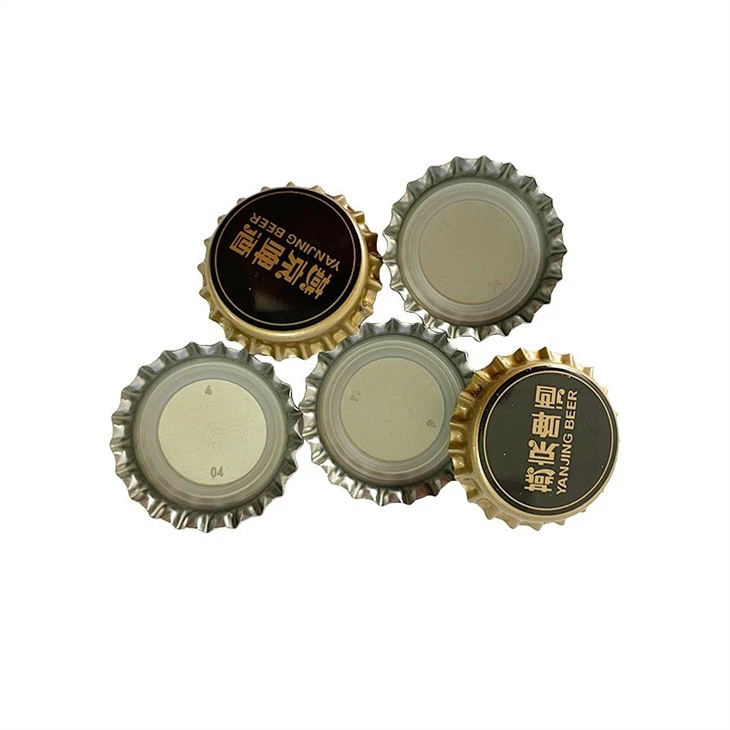
Another surface treatment option is powder coating. This process involves applying a dry powder to the metal surface and then baking it to form a hard, protective coating. Powder coatings can provide excellent resistance to corrosion, as well as abrasion and chemicals. They also come in a variety of colors, allowing for customization of the jar caps.
Proper Storage and Handling
How you store and handle metal jar caps can also impact their susceptibility to corrosion. During storage, it's important to keep the caps in a dry environment. High humidity can promote the formation of condensation on the metal surface, which can lead to corrosion. If possible, store the caps in a climate - controlled warehouse with low humidity levels.
When handling the caps, avoid contact with bare hands. The oils and salts on our skin can accelerate corrosion. Use gloves or other appropriate handling tools to minimize direct contact. Also, make sure to keep the caps away from chemicals that could cause corrosion. For example, acidic or alkaline substances can react with the metal and cause damage.
Packaging
The way you package metal jar caps can play a role in preventing corrosion. Using moisture - resistant packaging materials, such as plastic bags with desiccants, can help keep the caps dry during transportation and storage. Desiccants, like silica gel, absorb moisture from the air inside the packaging, reducing the risk of corrosion.
Additionally, separating the caps from each other in the packaging can prevent abrasion, which can damage the protective surface layer and expose the metal to corrosion. You can use dividers or individual compartments in the packaging to achieve this.
Regular Inspection and Maintenance
Even with all the preventive measures in place, it's still important to conduct regular inspections of the metal jar caps. Check for any signs of corrosion, such as discoloration, rust spots, or pitting. If you detect any early signs of corrosion, take immediate action. This could involve cleaning the caps or applying a protective coating.
For long - term storage, periodic maintenance can be beneficial. You can re - apply a protective coating or perform other treatments to ensure the caps remain corrosion - free.
Industry - Specific Considerations
Different industries have different requirements when it comes to preventing corrosion of metal jar caps. In the food and beverage industry, for example, the caps need to be food - grade and comply with strict safety regulations. The materials used and the surface treatments applied must be non - toxic and not contaminate the product.
In the cosmetics industry, the appearance of the jar caps is often as important as their functionality. So, in addition to preventing corrosion, the caps need to maintain their aesthetic appeal. This might involve using high - quality surface finishes and coatings that not only protect against corrosion but also look good.
If you're in the pharmaceutical industry, the caps need to provide a secure seal to protect the integrity of the medication. Corrosion can compromise the seal, leading to issues with product stability and efficacy. Therefore, choosing the right metal and surface treatment is crucial to ensure the caps meet the industry's high standards.
Conclusion
Preventing metal jar caps from corroding is a multi - faceted process that involves choosing the right metal, applying appropriate surface treatments, proper storage and handling, and regular inspection. As a Metal Jar Cap supplier, I'm committed to providing high - quality caps that are resistant to corrosion.
Whether you're looking for Metal Jar Caps, Metal Bottle Caps, or Black Metal Post Caps, I have a wide range of products to meet your needs. If you're interested in purchasing metal caps for your business, I encourage you to reach out for a consultation. We can discuss your specific requirements and find the best solutions for you.
References
- Fontana, M. G. (1986). Corrosion Engineering. McGraw - Hill.
- Uhlig, H. H., & Revie, R. W. (1985). Corrosion and Corrosion Control. Wiley - Interscience.
- ASM Handbook, Volume 13A: Corrosion: Fundamentals, Testing, and Protection. ASM International.